by Jacob Baker | Oct 3, 2026 | Michigan Radon Insights
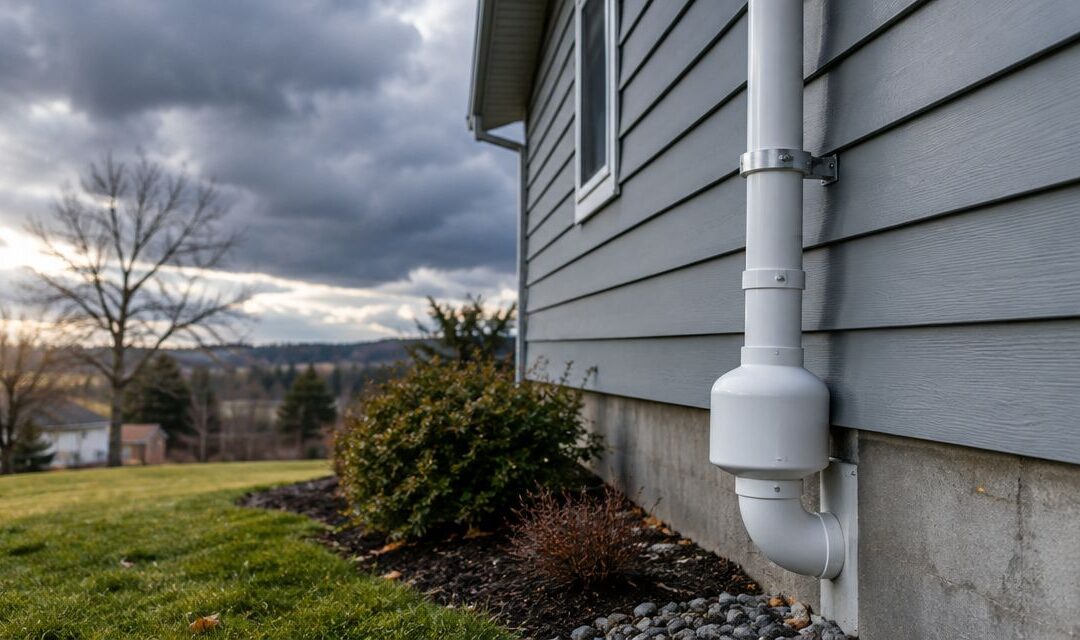
Yes, weather can affect radon mitigation system performance by changing soil moisture, pressure differences around your home, and airflow through the system. Rain, cold, wind, and ice can also change indoor radon readings even when the fan is working. A...
by Jacob Baker | Oct 3, 2026 | Michigan Radon Insights
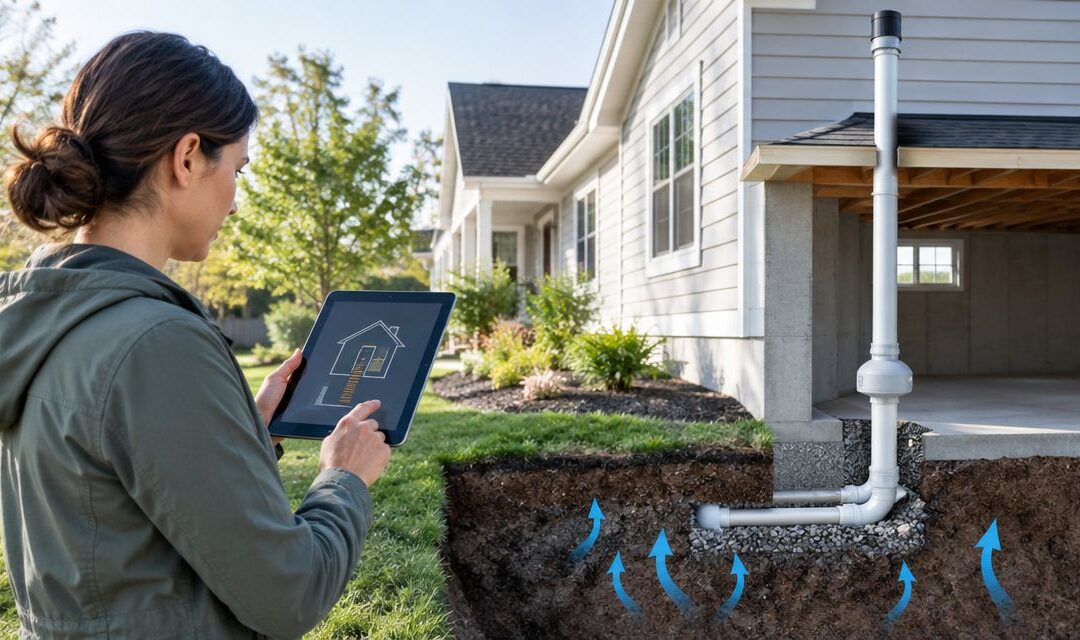
No. In 2026, Michigan does not have a statewide law requiring every existing private home to have a radon mitigation system. That does not remove applicable seller-disclosure duties, obligations written into a purchase agreement, or requirements that apply to a...

by Jacob Baker | Oct 3, 2026 | Michigan Radon Insights
No, a dehumidifier cannot replace a radon mitigation system. A dehumidifier removes moisture from indoor air; it does not provide the soil-gas collection and outdoor venting used to reduce radon entry. If your basement has both high humidity and elevated radon, treat...
by Jacob Baker | Oct 2, 2026 | Michigan Radon Insights
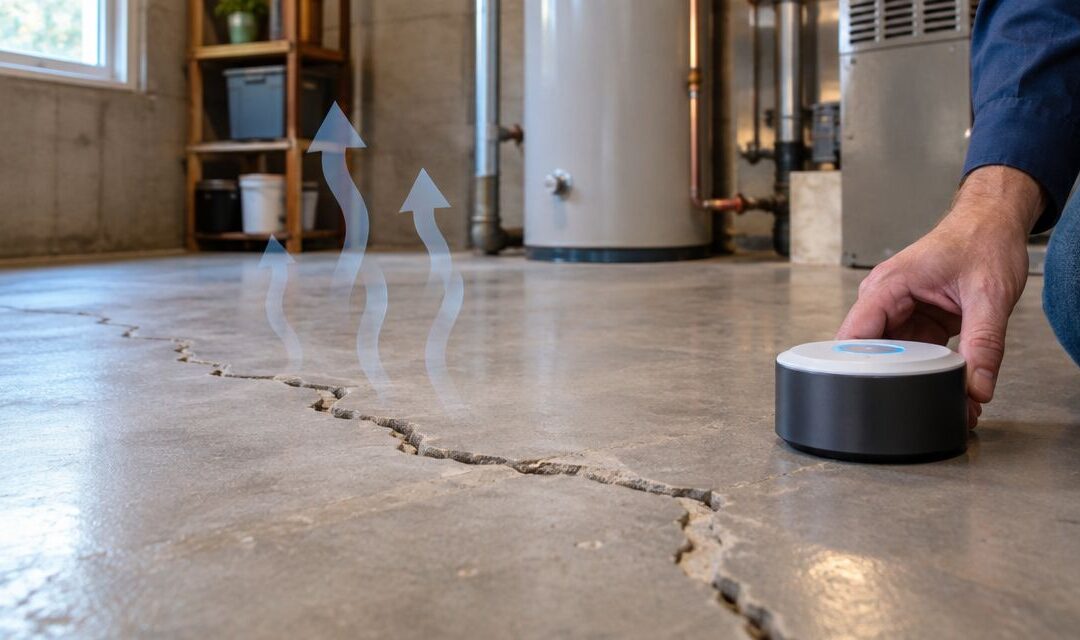
Yes, a cracked foundation can raise radon levels by giving radon-bearing soil gas a path into your home. The crack does not create radon, and its size cannot tell you how much radon is indoors. Test the air before deciding whether crack repair alone addresses the...

by Jacob Baker | Oct 2, 2026 | Michigan Radon Insights
No—radon mitigation reduces indoor radon; it does not permanently eliminate every trace of the gas or remove its source beneath your home. A successful system lowers exposure, and a follow-up radon test confirms the result. It is completely natural to want a zero...
by Jacob Baker | Oct 2, 2026 | Michigan Radon Insights
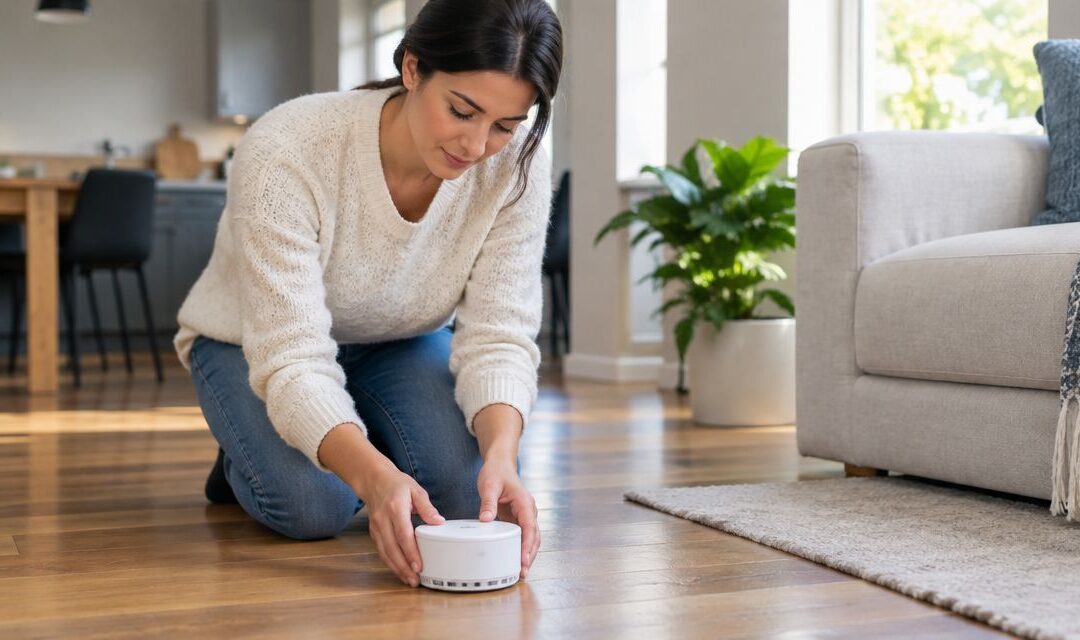
Test your home for radon as soon as you can maintain the required testing conditions after moving in; you do not need to wait for the house to settle or for a particular season. Moving-day open doors can interfere with a short-term test, so finish unloading, restore...