
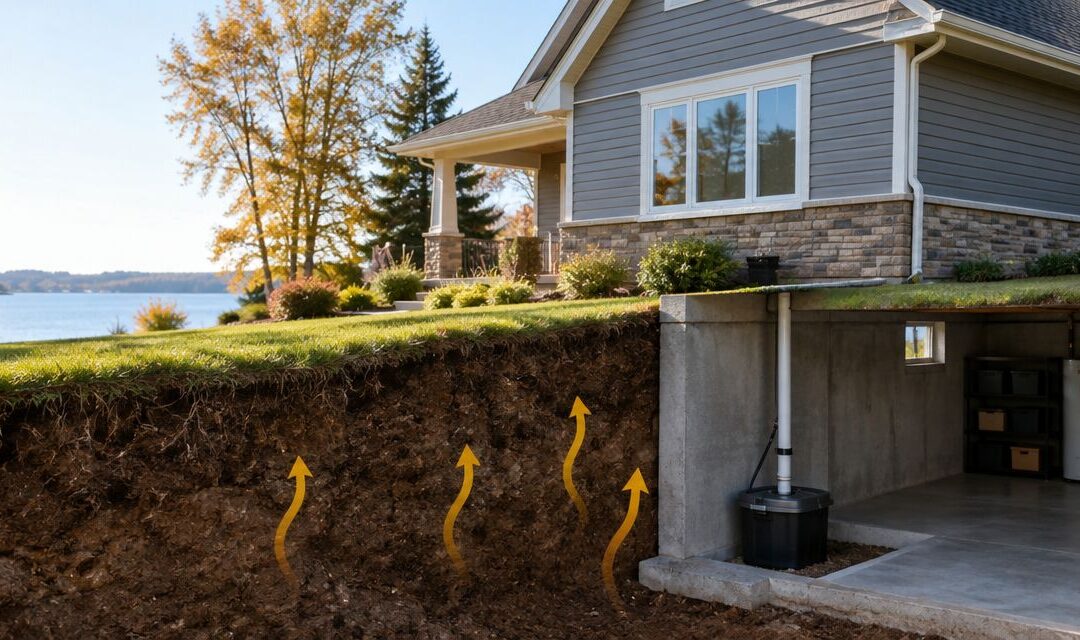
No. Not every Michigan home needs radon mitigation, but every home needs a radon test to find out whether mitigation is necessary. In 2026, the EPA recommends fixing a home when a confirmed radon level is 4 pCi/L or higher and considering a fix when it is between 2 and 4 pCi/L. A neighbor’s result cannot tell you what is happening in your home.
- Do all homes need radon mitigation? No. Test your Michigan home before deciding.
- The EPA recommends fixing a home with a confirmed radon level of 4 pCi/L or higher.
- At 2 to 4 pCi/L, consider mitigation; below 2 pCi/L, keep testing over time.
- Michigan Radon Control provides radon testing and mitigation for homeowners in Metro Detroit and Lansing.
Do all Michigan homes need radon mitigation?
No. A test result determines the next step, not your home’s age, neighborhood or foundation type. If you have never tested, start with how to test your home for radon. Then use the result and the EPA’s follow-up guidance to decide whether you need a mitigation system.
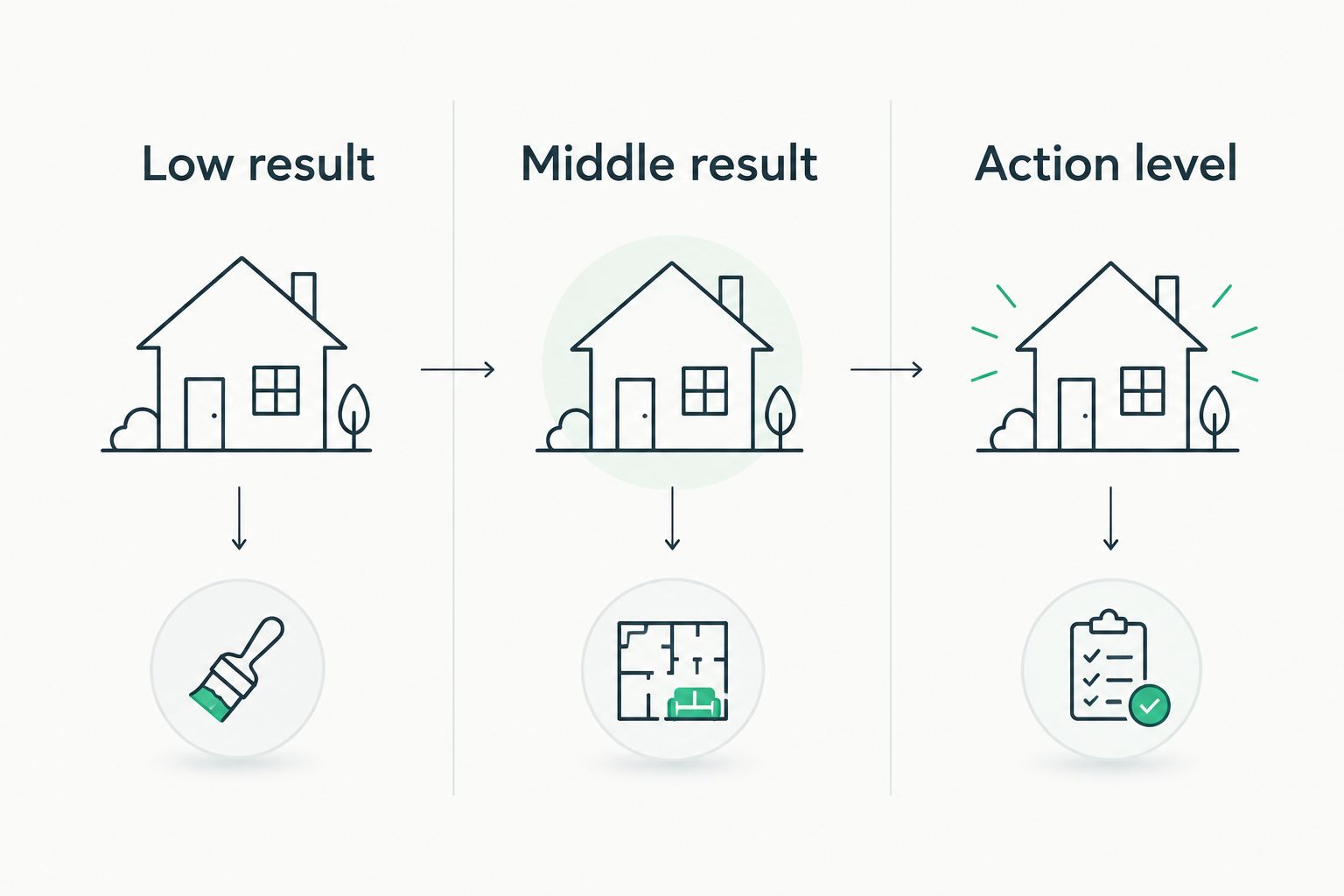
| Radon test result | What it means for mitigation | Your next move |
|---|---|---|
| Low result: below 2 pCi/L | Mitigation is generally not the immediate priority. A low result does not mean the level will never change. | Keep the report and test again when conditions change or as recommended by the EPA. |
| Middle result: 2 to below 4 pCi/L | The EPA says to consider fixing the home. | Review the result, follow the test instructions for any needed confirmation, and discuss mitigation if you want to reduce exposure. |
| Action level: 4 pCi/L or higher | The EPA recommends fixing the home after appropriate follow-up testing. | Confirm the result as the EPA advises, then plan mitigation. |
These are decision points, not a claim that radon becomes harmless below 4 pCi/L. Radon exposure carries risk at levels below the EPA action level, and lowering a higher level reduces that exposure. If your first result calls for follow-up, do not treat an unconfirmed reading as a system design.
Why this matters
It is completely natural to worry when you hear that radon is a risk in Michigan. You do not need to guess. Radon is an invisible gas, so a home can look and feel normal while a test detects an elevated level. The EPA identifies radon as a cause of lung cancer; testing gives you a way to act on the risk rather than the worry.
A county map, a neighbor’s report and a home inspection cannot replace a radon test in your own home. Radon enters through contact with the ground, and indoor levels depend on conditions specific to the building. In 2026, test the home you live in or plan to buy. Do not assume that every Michigan home needs a system—or that yours does not.
What should you do before deciding on mitigation?
- Test the home. Follow the device instructions and place the test where they direct. Keep doors and windows in the required condition during the test; changing the conditions can undermine the result.
- Read the report in pCi/L. This unit measures radon concentration in indoor air. Compare the result with the EPA’s 2 pCi/L consideration threshold and 4 pCi/L action level.
- Follow up on an elevated result. The EPA recommends a second test before deciding to fix a home. The type of follow-up depends on the initial result and how quickly you need an answer.
- Choose the next action. If follow-up results support mitigation, have the home assessed for a suitable system. If they do not, keep your results and plan to test again when appropriate.
- Test after a system is installed. The installation is not proof that the indoor level fell. A post-mitigation test checks the result.
This sequence applies whether you own the home or are evaluating it for a purchase in 2026. If a transaction has a deadline, tell the testing professional before the test starts. That gives everyone the same test conditions and a clear plan for handling a result that needs confirmation.
Michigan Radon Control provides NRPP-certified radon testing and mitigation services for homeowners and realtors in Metro Detroit and Lansing. The useful starting point is a test, not an assumption that you need an installation.
Find out what your home needs
Ask about radon testing before deciding on mitigation.
Below 2 pCi/L: do you need a system?
A result below 2 pCi/L generally does not call for immediate mitigation. Keep the report so you know what was measured and when. If you have only an old result, test again rather than assuming the earlier reading still describes the home in 2026.
A low reading is reassuring, but it is not a permanent certificate. Changes to the home or the way it is ventilated can affect radon levels. If you finish a basement, alter the foundation or make substantial changes to airflow, a new test gives you information about the home as it now exists.
Do not install a system simply because another Michigan house had a high result. That decision adds equipment before you have established a problem in your own home. Test first, retain the result and revisit it when the home changes.
2 to below 4 pCi/L: should you consider mitigation?
Yes. The EPA says to consider fixing a home when radon is between 2 and 4 pCi/L. This is a decision range, not a guarantee of safety and not the same as the EPA’s 4 pCi/L action level. Your next step is to make sure the result is reliable and decide whether you want to lower the level.
If you are uncertain what a reading in this range means for your house, use the radon mitigation guidance for Michigan homes at 2 to 4 pCi/L. Bring the complete test report to that discussion, including the test dates and location. A single number without its test conditions leaves out information needed to interpret it.
You can also discuss how a proposed system would be checked after installation. The point of mitigation is a measured reduction in indoor radon, not simply the presence of a fan or pipe. That standard matters even when your starting result falls below the EPA action level.
4 pCi/L or higher: do you need mitigation?
A confirmed result of 4 pCi/L or higher calls for a fix under EPA guidance. Follow the EPA’s recommendations for a second test, then arrange mitigation if the results support action. Do not ignore the result because the home is new, finished or otherwise well maintained.
A mitigation system is selected for the house. The foundation and routes where soil gas enters matter to the design; a system suitable for one home is not automatically suitable for the next. Ask how the proposed work will address your foundation and how the installer will verify the indoor result afterward.
Michigan Radon Control installs radon mitigation systems and provides system maintenance in the Metro Detroit and Lansing areas. For a homeowner with a confirmed elevated result in 2026, the clear sequence is confirm, mitigate, retest. Keep the test reports with the home’s records so you can distinguish the reading before the work from the reading after it.
Why radon results vary between Michigan homes
The EPA’s 4 pCi/L action level applies to your test result. These factors help explain why you cannot assign that result from a street address or a neighbor’s experience:
- Ground beneath the home. Radon comes from the natural breakdown of uranium in soil and rock. Conditions beneath nearby houses are not identical.
- Foundation openings. Soil gas can enter through gaps and openings where the building contacts the ground. A finished basement does not remove every possible entry route.
- Foundation design. Basements, slabs and crawl spaces present different routes for soil gas to reach indoor air.
- Air movement. The way indoor air moves and the way the home is ventilated affect how radon enters and accumulates.
- Changes to the house. Foundation work, remodeling and ventilation changes can alter the conditions measured by an earlier test.
None of these factors can tell you the indoor concentration without a test. In 2026, the practical rule is simple: use building details to plan testing and mitigation, not to declare a home safe without measuring it.
Does a new Michigan home need radon mitigation?
A new home needs a radon test; it needs mitigation if the results support fixing it. New construction is not proof of a low level. If the builder included radon-resistant features, ask what was installed, then test the finished home to learn its indoor level.
The same rule applies to an older house. Age alone does not put either home above or below 4 pCi/L. If you are comparing properties in 2026, request each home’s own test report rather than ranking them by construction date.
Can your neighbor’s radon test tell you whether to mitigate?
No. Your neighbor’s result is not a measurement of your home. It is a reason to take testing seriously, not a basis for installing or skipping a system. Houses next door can differ in ground contact, openings and air movement.
If a neighbor shares an elevated reading, arrange a test in your home. If the reading is low, test anyway when you need to make a decision about your own exposure. Either way, keep the decision tied to your address and your report.
Should you retest after installing a mitigation system?
Yes. A post-mitigation test tells you whether the system reduced indoor radon. Keep the before-and-after results and check the system as directed. A running fan alone does not report the radon concentration inside the house.
A system also needs attention after installation. Michigan Radon Control provides system maintenance, but the decision to service any system starts with its condition and your test results. If you have a system but no record of a post-installation test, arrange a test rather than assuming it worked indefinitely.
FAQ
Do all homes need radon mitigation in 2026?
No. Test your home first; the EPA recommends fixing a home when a confirmed radon level is 4 pCi/L or higher and considering a fix between 2 and 4 pCi/L.
Does every Michigan home need a radon test?
Every Michigan homeowner should test to learn the home’s indoor radon level. A neighbor’s result or the home’s age cannot provide that measurement.
Is a radon level below 4 pCi/L safe?
Below 4 pCi/L does not mean risk-free. The EPA says to consider fixing a home between 2 and 4 pCi/L because reducing radon reduces exposure.
What happens if my radon test reads 4 pCi/L or higher?
Follow the EPA’s guidance for a second test, then plan mitigation if the results support fixing the home. Test again after installation to check the indoor level.
Can a new house have a high radon level?
Yes. New construction does not establish the indoor radon level; only a test in that home can do that.
Do I still need to test if my neighbor’s radon level is low?
Yes. A neighbor’s low result does not measure the air in your home, where ground contact and air movement differ.
Do I need another radon test after mitigation?
Yes. A post-mitigation test checks whether the system reduced radon indoors; a running fan by itself cannot confirm the result.
One last thing
The question is not whether Michigan homes, as a group, need mitigation. It is whether your home’s test result calls for a fix. If you have no current result in 2026, testing is the next move. If you already have a system, verify its effect with a test rather than treating the equipment itself as the answer.
Related guides
- Mitigation for homes with radon levels above 4 pCi/L
- Radon mitigation systems for crawl space homes
- How to verify your radon mitigation system is still working