by Jacob Baker | Sep 29, 2026 | Michigan Radon Insights
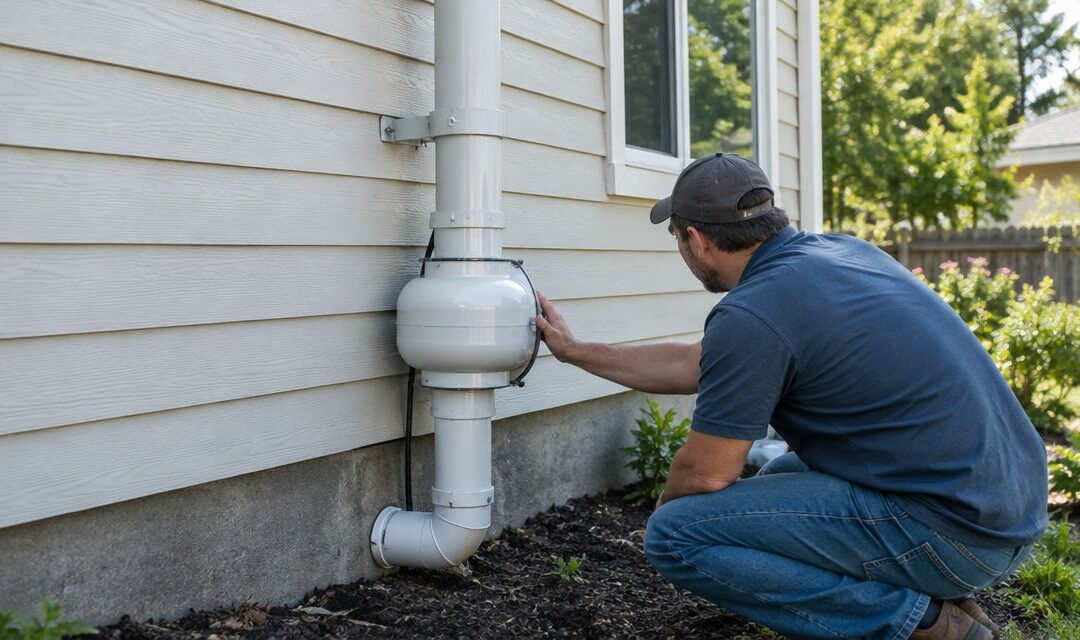
Yes, a radon mitigation system can be moved on a house, provided a qualified radon professional checks the new pipe route, fan location, suction connection, and exhaust placement. Moving the equipment changes how the system operates, so the work is not complete until...

by Jacob Baker | Sep 29, 2026 | Michigan Radon Insights
For radon testing in Michigan in 2026, get a written quote for the test method, measurement period, and report you need rather than budgeting from a generic statewide figure. Check whether laboratory analysis, device pickup, and any follow-up measurement are included....
by Jacob Baker | Sep 29, 2026 | Michigan Radon Insights
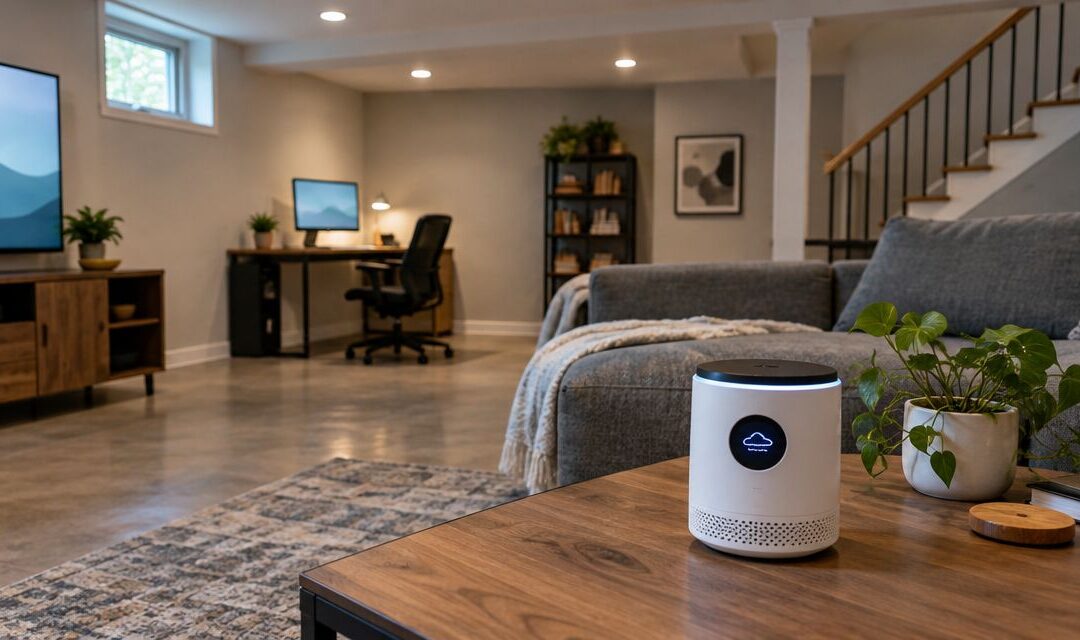
Yes, finishing a basement can increase radon levels when the work changes ventilation, indoor air pressure, or openings between the house and the soil. An increase is not inevitable, and spending more time downstairs increases your exposure even if the concentration...

by Jacob Baker | Sep 28, 2026 | Michigan Radon Insights
Yes. In 2026, you can generally stay home during radon mitigation installation if you keep clear of the areas where the installer is drilling, running pipe, or doing electrical work. Ask the installer which rooms need to be clear before work starts; if you cannot keep...
by Jacob Baker | Sep 28, 2026 | Michigan Radon Insights
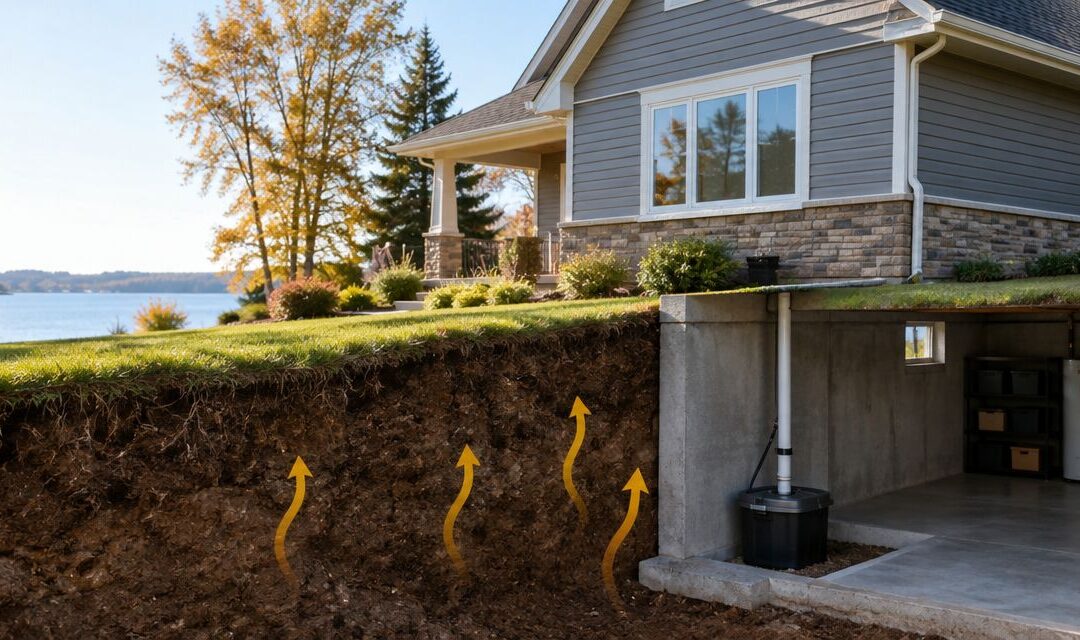
No. Not every Michigan home needs radon mitigation, but every home needs a radon test to find out whether mitigation is necessary. In 2026, the EPA recommends fixing a home when a confirmed radon level is 4 pCi/L or higher and considering a fix when it is between 2...
by Jacob Baker | Sep 28, 2026 | Michigan Radon Insights
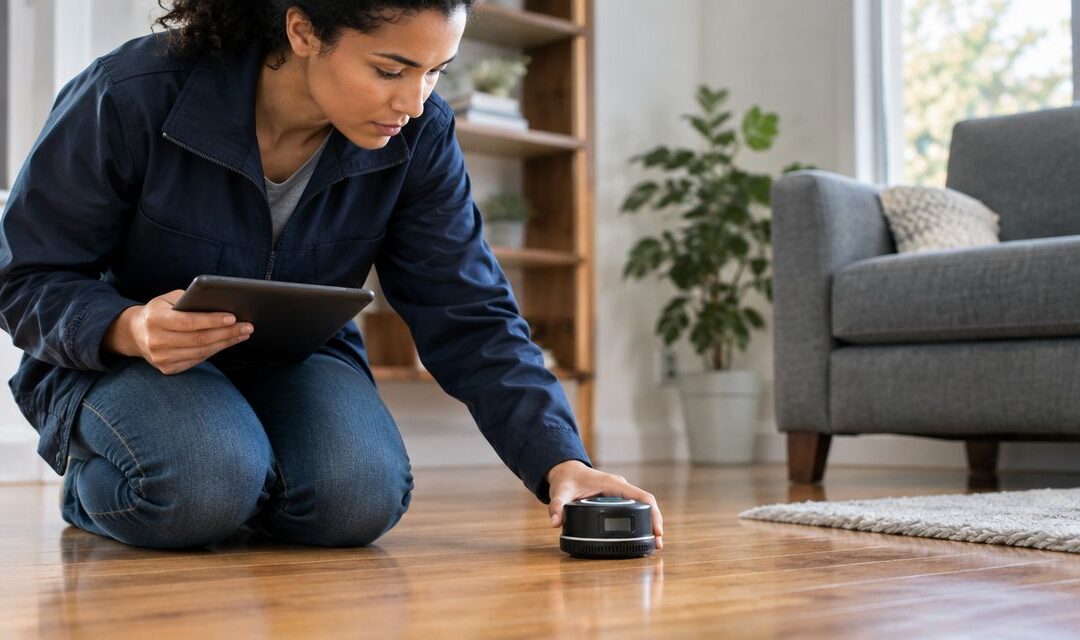
Yes. If you rent in Michigan, you can ask your landlord for radon testing, and you can ask to arrange a test yourself. Making the request does not, by itself, establish who must arrange or pay for the test. In 2026, the clearest next step is to put your request in...