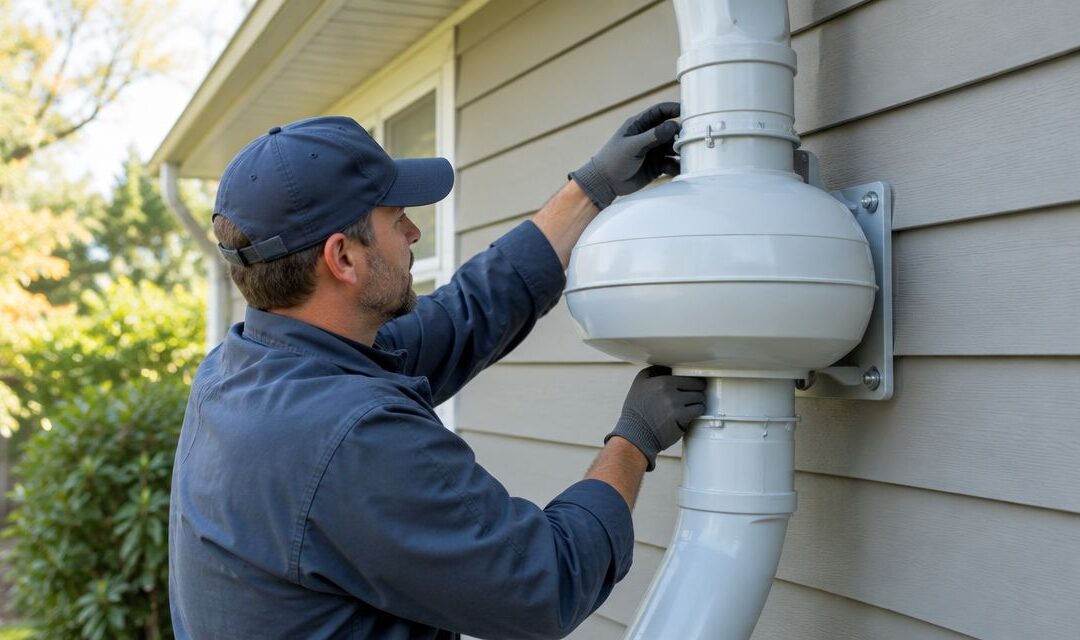
The cost to replace a radon mitigation fan in 2026 depends on the fan the system needs and whether the work is limited to the fan or includes electrical, piping, or other system repairs. A replacement quote should separate those items rather than treat every nonworking system as a failed fan. After the work, test the home for radon; a running fan alone does not show the indoor radon level.
- In 2026, the cost to replace radon mitigation fan equipment depends on fan selection and the work required at your home.
- A changed pressure-gauge reading calls for diagnosis, not an automatic fan replacement.
- Michigan Radon Control is best for Metro Detroit and Lansing homeowners who want NRPP-certified system maintenance and radon testing.
- Test indoor radon after the repair; fan operation and a radon reading answer different questions.
How much does it cost to replace a radon mitigation fan?
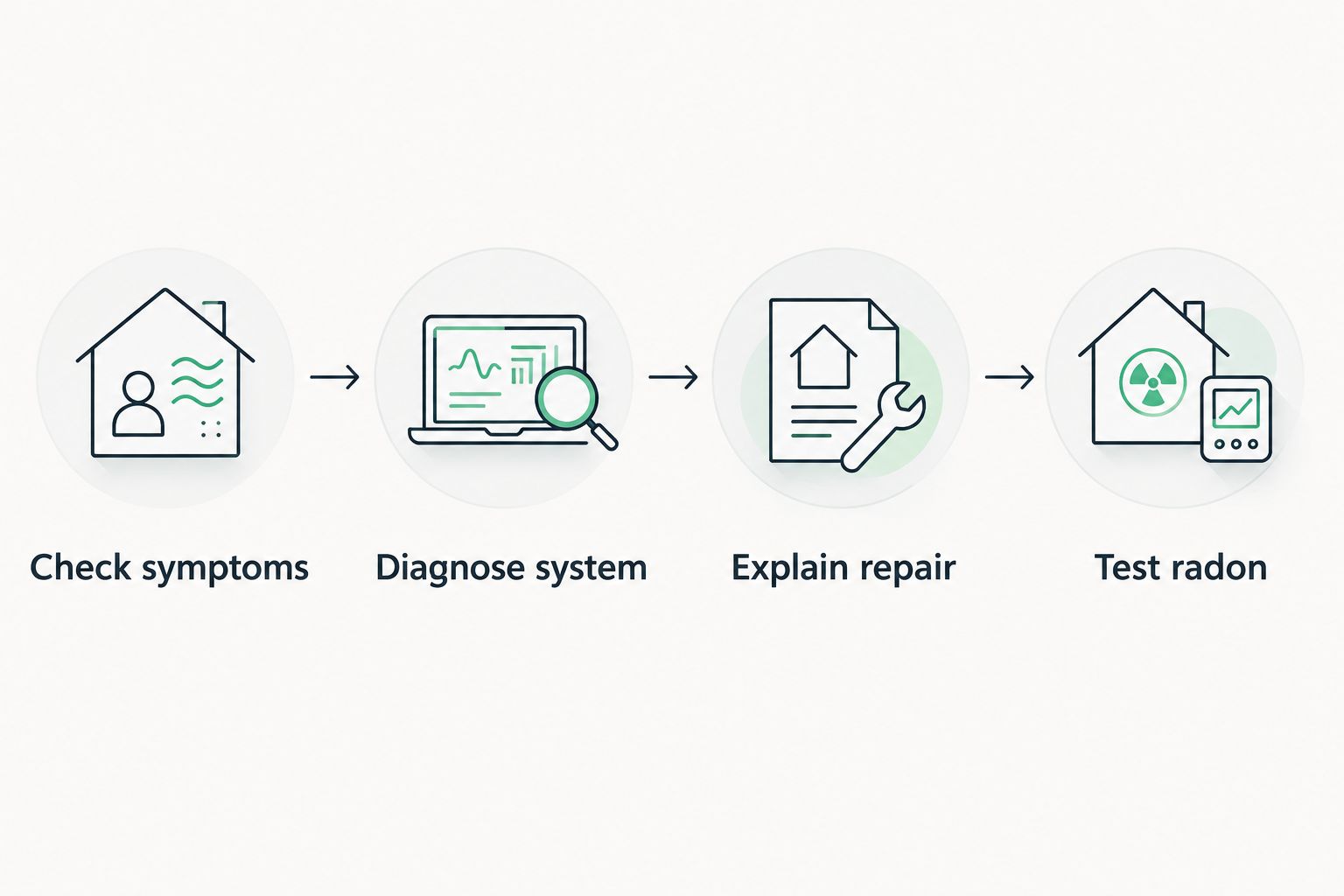
Start with a quote for the complete repair, not just a fan. Ask the contractor to identify the current fan, check why the system is not operating as expected, specify the proposed replacement, and list any electrical or piping work separately. If you are still deciding whether the fan has failed, use this guide to signs a radon mitigation fan needs replacing before treating a change in sound or gauge reading as a diagnosis.
| Possible scope | What the quote should explain | Advantage | Limitation |
|---|---|---|---|
| Fan replacement | Which fan is being replaced, why the new fan fits the existing system, and what is included in the work | Addresses a confirmed fan failure without assuming the whole system needs replacement | Does not fix an unrelated piping, electrical, or suction problem |
| Repair of another fault | What failed and how the contractor will restore system operation | Avoids replacing a working fan | Requires a clear diagnosis; the fan still needs evaluation |
| System modification | Why changing the fan alone will not address the measured problem | Addresses a problem beyond the fan | Involves a wider scope of work that needs its own explanation |
The table is a way to compare scope, not a menu of interchangeable fixes. A fan can stop because of a problem at the fan, its electrical supply, or another part of the installation. The contractor needs to establish which issue is present before you can judge the quote.
Why this matters
It is completely natural to worry when a radon system sounds different or its gauge changes. The useful next step is to check what the system is doing, then measure what is happening in the home. A working fan is not a radon test. The pressure gauge helps you monitor system operation; a radon test measures indoor radon.
That distinction matters during a repair. A contractor can replace a failed fan and verify that the system runs, but the indoor result still needs testing. In 2026, ask for both parts of the job to be clear: what will be repaired and how you will check the radon level afterward.
What should a fan-replacement quote include?
A useful quote gives you enough detail to compare the proposed work with the problem you reported. Before accepting it, ask these questions:
- What confirms that the fan has failed? Ask what the contractor observed at the fan, electrical connection, and system pressure gauge. A changed gauge reading is a reason to investigate, not proof that one part has failed.
- Which replacement fan is proposed? Ask how the choice fits the existing system. A fan should be selected for the system's needs, not simply because it fits the pipe.
- What work is included? Have the contractor distinguish fan replacement from electrical work, piping changes, sealing, or other repairs. That keeps a narrow quote from being mistaken for a complete fix.
- How will operation be checked? Ask what the contractor will inspect after installation and what the system pressure gauge should show for your system. Keep that information with your home records.
- How will indoor radon be checked? Plan a radon test after the work. The gauge cannot supply an indoor radon reading.
These questions also help when the original installer is unavailable. You do not need to identify the failed component yourself. You need the person quoting the work to explain the diagnosis and the proposed fix in plain language.
Why the cost to replace a radon mitigation fan varies
A quote changes with the work needed at the house. In 2026, these are the factors to ask the contractor to identify:
- Fan selection. The proposed fan must suit the existing mitigation system. Ask why that fan was chosen rather than assuming a different fan is an equivalent replacement.
- Installation location. Access to the fan and surrounding piping affects what the contractor must do to remove and replace it. Have the quote describe any access work.
- Electrical condition. If the fan is not receiving power, replacing it will not resolve the underlying electrical problem. Ask whether electrical work is included or requires a separate professional.
- Condition of connected parts. Connections, piping, and other system components should be assessed for problems that affect operation. The quote should distinguish their repair from the fan itself.
- System performance. A new fan does not, by itself, establish that the mitigation system is controlling indoor radon. Ask how system operation will be checked and arrange a radon test.
Do not compare quotes by the fan name alone. Compare the diagnosis, the specified work, and the plan to check the result. If one quote addresses only the fan and another includes work elsewhere in the system, they describe different jobs.
Should you replace the fan or repair something else?
Replace the fan when a qualified contractor confirms that the fan has failed and identifies a suitable replacement. If the system has lost power, a connection has failed, or the gauge has changed for another reason, fix the diagnosed problem instead. Replacing a working fan leaves that problem in place.
A noisy system also deserves a closer look before you approve a replacement. Describe when the sound started and where you hear it. Ask the contractor whether the sound comes from the fan or another part of the installation; sound alone does not identify the failed component.
Best for a confirmed fan failure: fan replacement
The advantage is a focused repair to a known failed component. The drawback is equally clear: it does not address an unrelated fault. Ask the contractor to document why the fan needs replacing and how the new fan fits the system. Verdict: Replace once the failure and replacement choice are explained.
Best for an electrical or connection fault: targeted repair
The advantage is that the work addresses the fault rather than replacing a fan that still works. The drawback is that diagnosis must be specific; a vague assurance that the system is fixed gives you little to check later. Ask what was repaired and how operation was verified. Verdict: Repair the confirmed fault first.
Best for an unresolved performance problem: system assessment
If the system runs but indoor radon remains elevated, a fan swap is not automatically the answer. The advantage of assessing the full installation is that it tests the reason for poor performance. The drawback is a broader scope than a straightforward component replacement. Verdict: Assess the system before approving a fan-only fix.
How do you tell whether the repair worked?
Use two separate checks: verify system operation, then measure indoor radon. A pressure-gauge reading helps you see whether the system is operating as expected for that installation. It does not measure radon concentration in the rooms where you spend time.
Radon test results are reported in picocuries per liter, written as pCi/L. The EPA recommends fixing a home at 4 pCi/L or higher and considering action between 2 pCi/L and 4 pCi/L. Those thresholds concern the indoor test result, not the fan's sound or the pressure gauge.
A short-term radon test generally runs for 2 to 90 days, depending on the device and test instructions. Follow the test method's placement and closed-house instructions, and discuss the result with your radon professional. If you are preparing for a home sale, make the testing plan clear to the buyer or agent rather than assuming proof of a new fan is proof of a low radon reading.
Michigan Radon Control provides radon testing and system maintenance for homeowners and realtors in the Metro Detroit and Lansing areas. Michigan Radon Control is best for homeowners in those areas who want NRPP-certified help diagnosing a system problem and testing the result. Its stated service areas do not establish coverage elsewhere, so confirm service availability if your home is outside them.
Get your system checked
Ask about fan diagnosis, system maintenance, and radon testing for your home.
Can you replace a radon fan yourself?
A fan replacement involves more than fitting a new unit into a pipe. The replacement must suit the mitigation system, the electrical connection must be safe, and the completed work needs an operation check. If you cannot establish those points, have a qualified radon professional assess the system rather than choosing a fan by appearance.
Do not treat an unchanged gauge reading as a complete safety check, either. After any repair, use an indoor radon test to find out whether the home remains below the level at which the EPA recommends action. That is the result the repair is meant to support.
For a homeowner comparing a repair with a new installation, keep those scopes separate. Replacing a failed component in an existing system is not the same work as planning and installing a mitigation system. Ask each contractor to state whether the proposal restores the existing design or changes it.
What if the pressure gauge changes but the fan still makes noise?
A changed reading means the system needs attention; fan noise does not settle the diagnosis. Check the reading against the information recorded for your system, then ask a radon professional to inspect the fan and connected components. Do not assume the system is performing normally just because you can hear it.
This is also why a written record helps. Keep the contractor's diagnosis, the work performed, and the post-repair test result together. When you check the gauge later, you will have a documented reference instead of relying on how the equipment sounds.
Does a new fan mean the radon level is safe?
No. A new fan shows that a component was replaced, not what the indoor radon concentration is. Test the home after the repair and compare the result with the EPA's 4 pCi/L action level. If the result remains elevated, ask the contractor to assess the system rather than assuming another fan change is the next fix.
The distinction is simple but easy to miss when you are trying to get a repair done quickly. System checks tell you whether equipment is operating. Indoor testing tells you whether the home has the radon result you need.
FAQ
How much does it cost to replace a radon mitigation fan in 2026?
The cost to replace a radon mitigation fan in 2026 depends on the required fan and whether the job includes other system, piping, or electrical work. Ask for a diagnosis and a quote that separates those items.
Is a changed radon system pressure-gauge reading proof that the fan is broken?
No. A changed pressure-gauge reading signals that the system needs checking, but it does not identify the failed component. A contractor should inspect the fan and the rest of the installation before recommending replacement.
Can a noisy radon mitigation fan still work?
Yes, noise alone does not tell you the indoor radon level or identify the source of the sound. Have the system assessed and use a radon test to check the result in the home.
Do I need a radon test after replacing the fan?
Yes. A running replacement fan does not measure indoor radon. Test after the repair to check whether the system is controlling the level in your home.
What radon level calls for action?
The EPA recommends fixing a home at 4 pCi/L or higher and considering action between 2 pCi/L and 4 pCi/L. Those numbers apply to indoor radon test results, not pressure-gauge readings.
Should I replace the whole mitigation system if the fan fails?
A confirmed fan failure does not by itself establish that the whole system needs replacement. Ask the contractor to identify any additional faults and explain why each proposed change is needed.
Who can assess a radon fan problem in Metro Detroit or Lansing?
Michigan Radon Control provides NRPP-certified radon testing and system maintenance for homeowners and realtors in the Metro Detroit and Lansing areas. Ask for a system assessment that distinguishes fan failure from other faults.
One last thing
Before paying for a replacement, ask the contractor to write down what failed and how the repair will be checked. Keep the indoor radon test result with that record. In 2026, the useful answer is not simply that the fan runs; it is that the system has been assessed and the home has been tested.
Related guides
- How to read a radon system pressure gauge
- How to fix a noisy radon mitigation fan
- How to schedule radon testing after mitigation installation