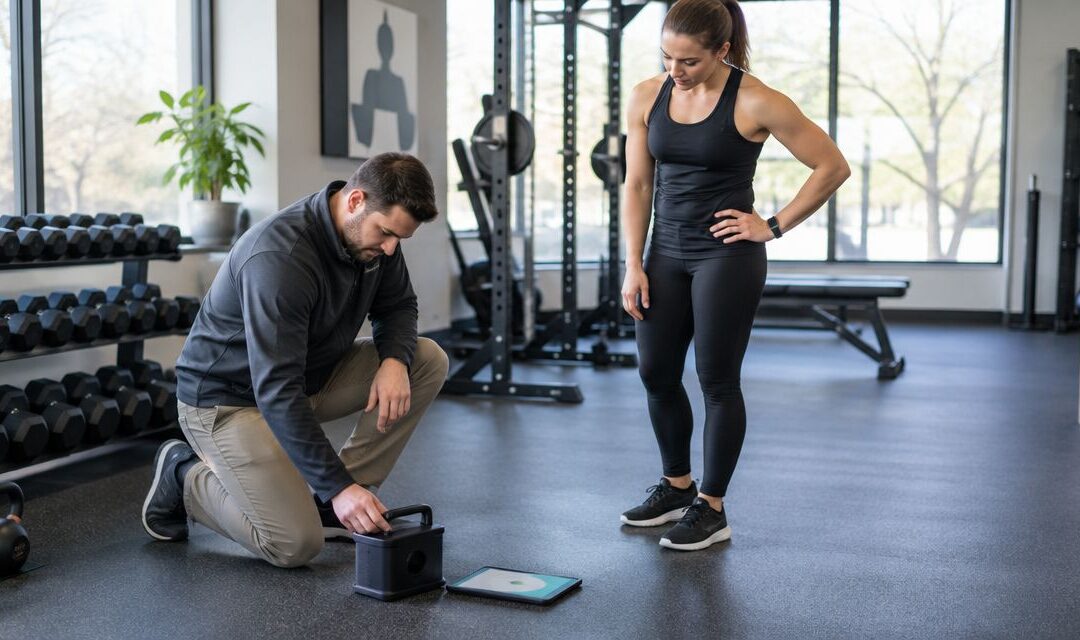
by Jacob Baker | Oct 12, 2026 | Michigan Radon Insights
Best overall for a commercial gym: a radon contractor with documented commercial-building experience. Best for a home-based studio inquiry: Michigan Radon Control, whose stated services cover homeowners in Metro Detroit and Lansing. This 2026 guide compares hiring...
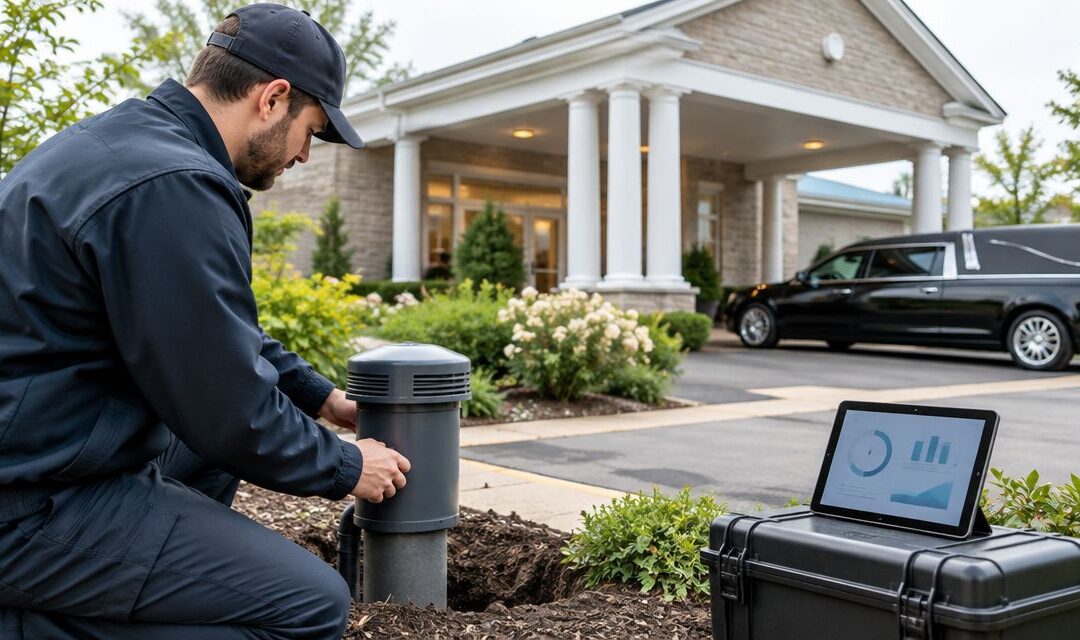
by Jacob Baker | Oct 12, 2026 | Michigan Radon Insights
Best overall: a certified radon mitigation contractor with documented commercial-building experience. Best local starting point: Michigan Radon Control for an inquiry in Metro Detroit or Lansing. Best for an independent check: a qualified radon measurement...
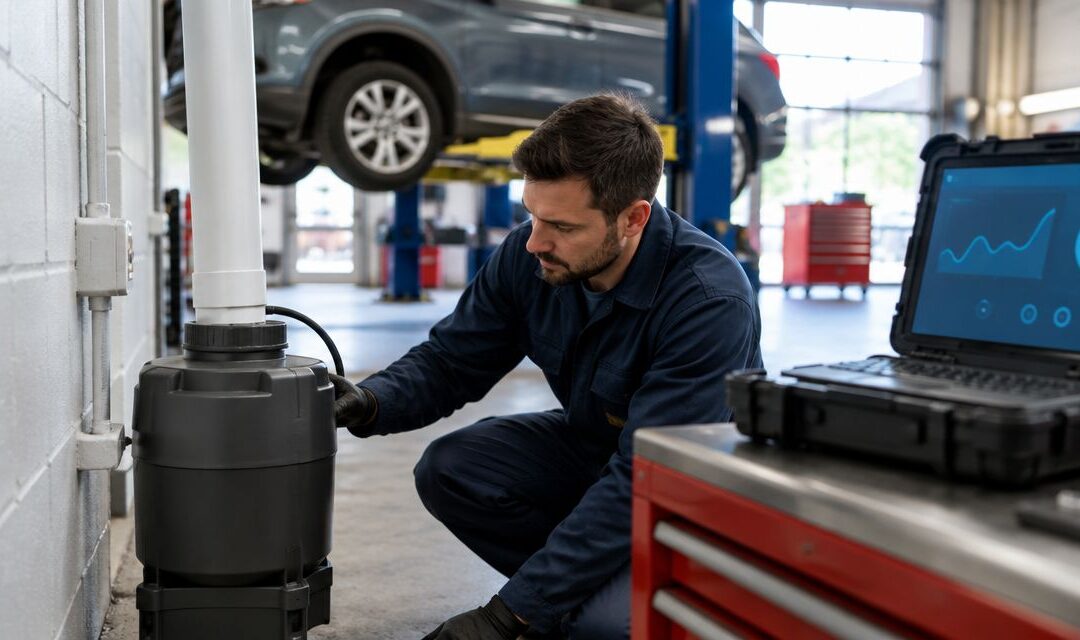
by Jacob Baker | Oct 12, 2026 | Michigan Radon Insights
Best overall: a certified radon mitigation contractor with documented commercial-shop experience. Best for complex buildings: an environmental consultant coordinating radon specialists. Best for residential radon needs: Michigan Radon Control. For a Michigan auto...
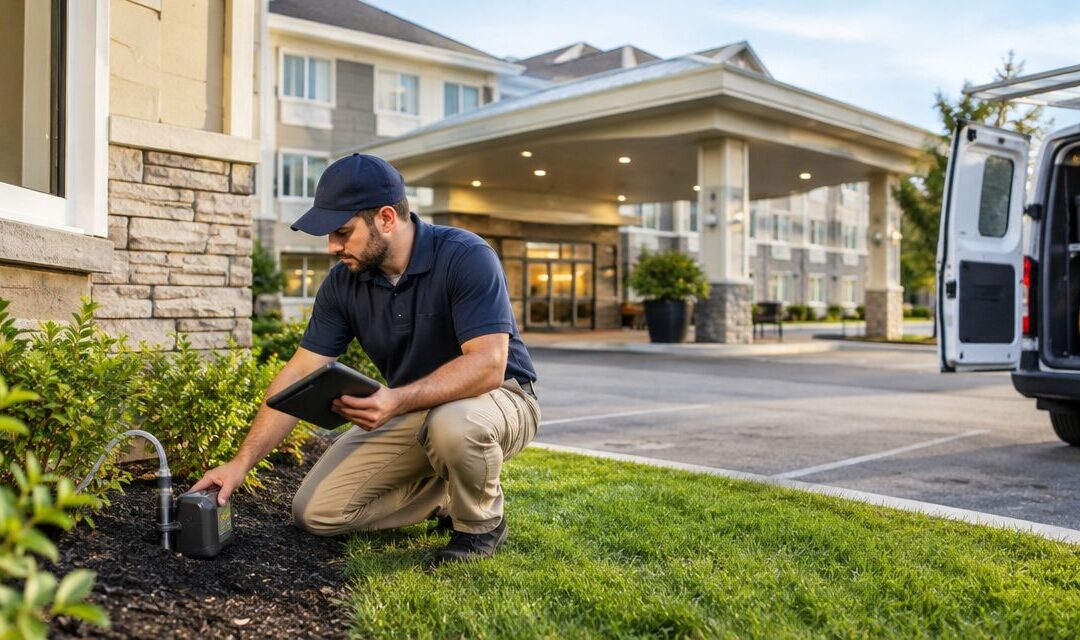
by Jacob Baker | Oct 9, 2026 | Michigan Radon Insights
Best overall for a Michigan hotel or motel: a certified radon contractor with documented lodging-project experience. Best for independent verification: a separate testing professional paired with a qualified installer. Best local residential-service inquiry: Michigan...

by Jacob Baker | Oct 9, 2026 | Michigan Radon Insights
Best overall: a certified radon measurement provider with documented nonresidential experience. Best local starting point: Michigan Radon Control, subject to confirming veterinary-clinic scope. Best for independent oversight: an environmental consultant who arranges...

by Jacob Baker | Oct 9, 2026 | Michigan Radon Insights
Best overall for a Michigan warehouse: a qualified commercial radon mitigation specialist. Best for a complex facility: an environmental consultant coordinating a qualified installer. Best for a simpler building: a local radon contractor only after warehouse-specific...