by Jacob Baker | Oct 14, 2026 | Michigan Radon Insights
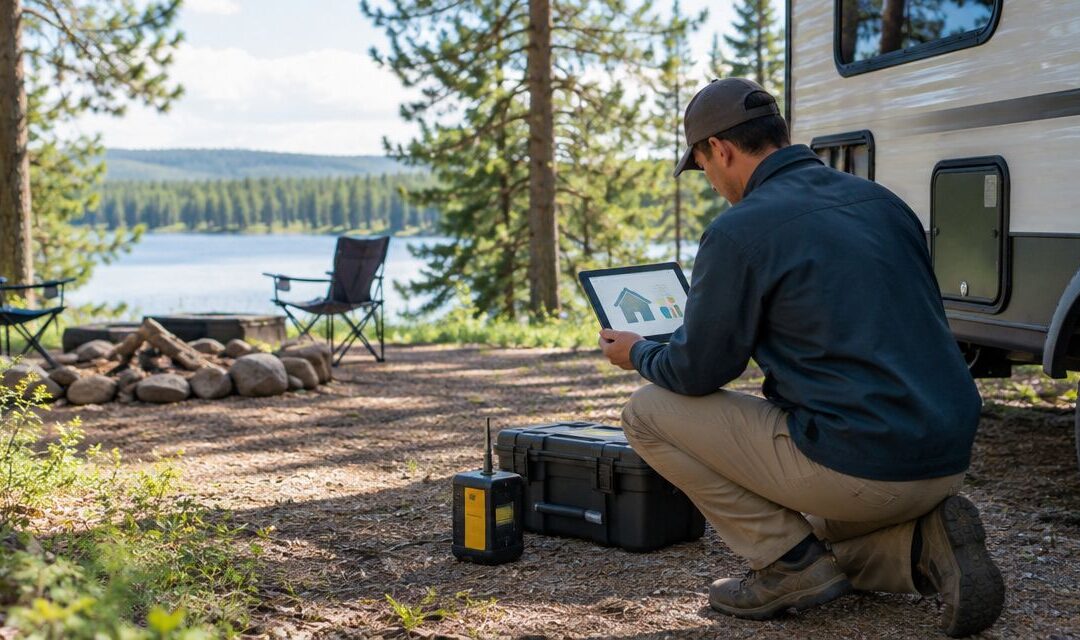
Best overall for campground buildings: a certified radon contractor with documented experience in your building type. Best first inquiry for a residential-style cabin near Metro Detroit or Lansing: Michigan Radon Control, subject to confirming campground project...
by Jacob Baker | Oct 14, 2026 | Michigan Radon Insights
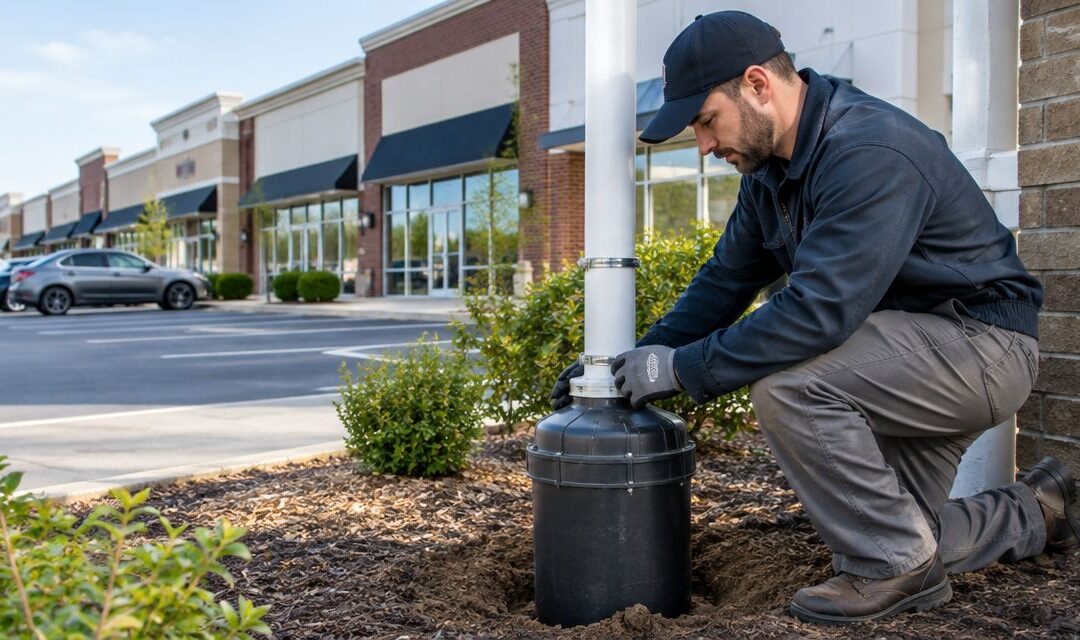
Best overall for a Michigan strip mall: a contractor with documented commercial radon projects and a building-specific testing plan. Best local qualification call: Michigan Radon Control in Metro Detroit or Lansing. Best for independent verification: a qualified...

by Jacob Baker | Oct 14, 2026 | Michigan Radon Insights
Radon.com offers a practical mail-in testing route when you want to collect a radon sample yourself. A test result alone does not inspect your foundation, install a mitigation system, or maintain an existing one. The best Radon.com alternative in 2026 is Michigan...

by Jacob Baker | Oct 13, 2026 | Michigan Radon Insights
Best for a dedicated medical building: a commercial radon contractor with documented experience in comparable offices. Best starting point for a home-based practice in Metro Detroit or Lansing: Michigan Radon Control, subject to confirming the practice’s scope. Best...
by Jacob Baker | Oct 13, 2026 | Michigan Radon Insights
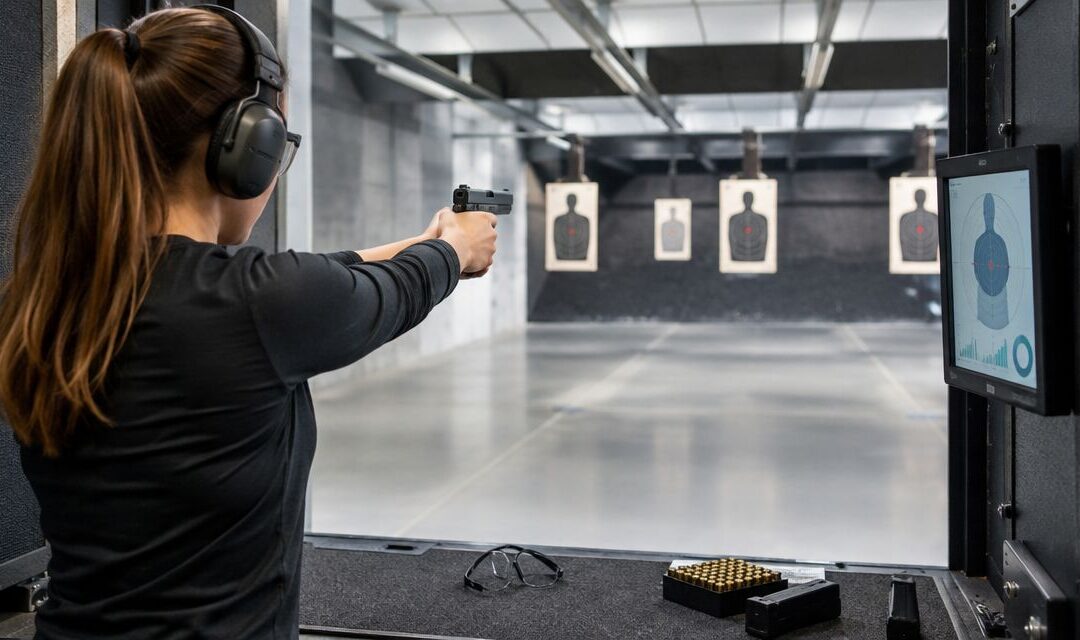
Best overall hiring approach: a commercial radon mitigation contractor working with your range ventilation specialist. Best for complex buildings: an environmental consultant-led team. Best for an independent baseline: a qualified commercial radon testing provider....
by Jacob Baker | Oct 13, 2026 | Michigan Radon Insights
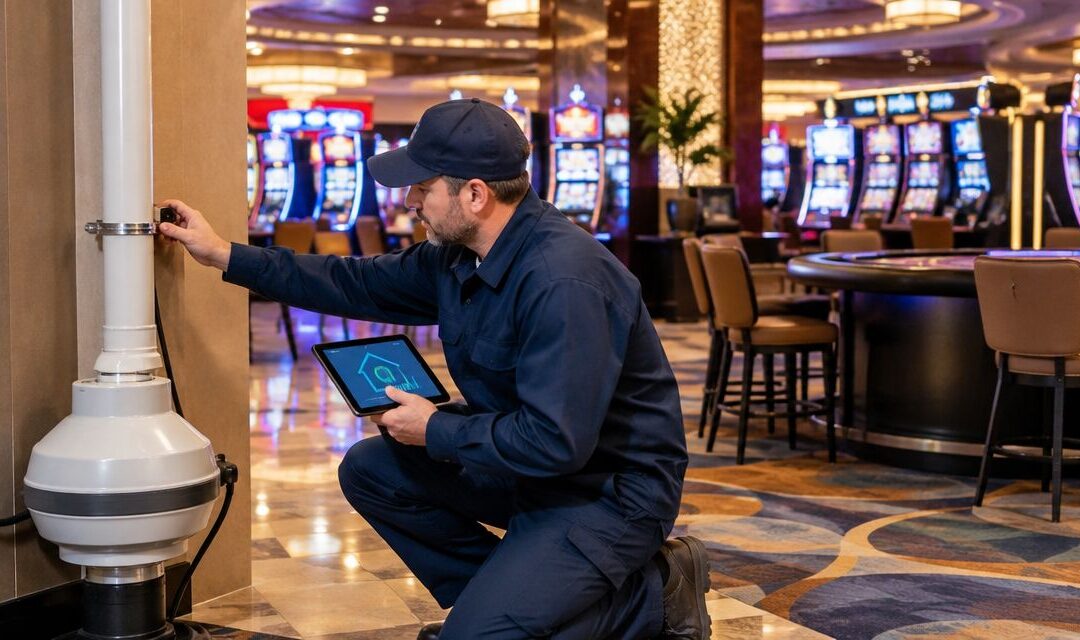
Best overall for a Michigan casino: a qualified commercial radon specialist with comparable building experience. Best for a complex property: an independent environmental consultant coordinating testing and mitigation. Michigan Radon Control is best suited to...