
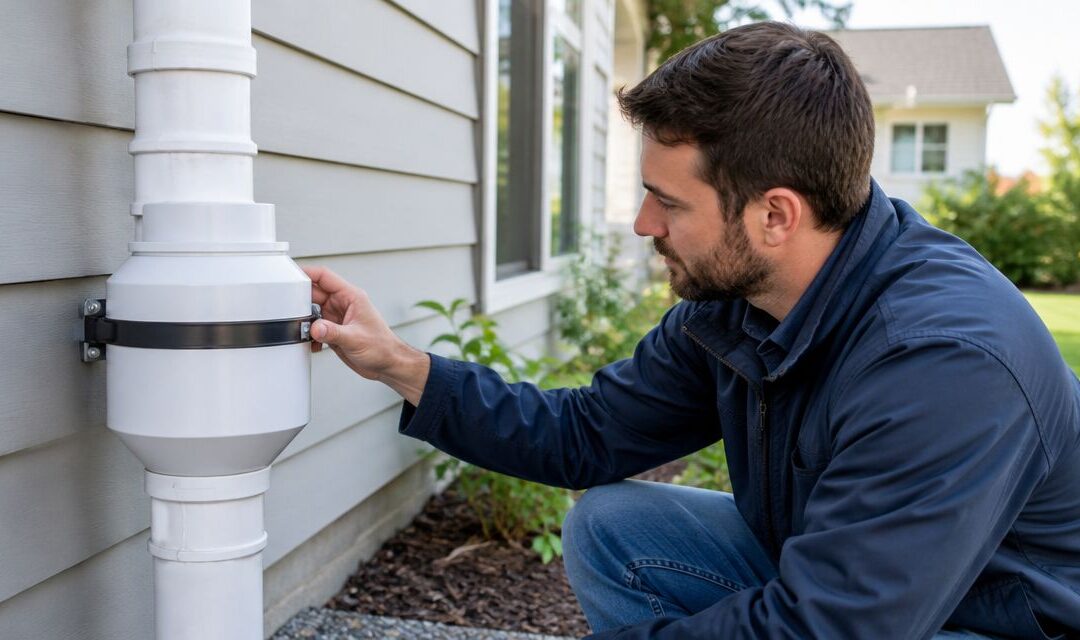
Yes, you can turn off the fan in an active radon mitigation system, but you should not leave it off as a way to save electricity or reduce noise. The fan is what keeps the system working; once it stops, you cannot assume your earlier radon test still represents the air in your home. If it has stopped unexpectedly, restore power if you can do so safely, check the system indicator, and arrange a radon test after the system is operating again.
- Can you turn off a radon mitigation system? Yes, but keep an active system running to control radon.
- A stopped fan means the system is not providing its intended protection; a pressure gauge cannot measure indoor radon.
- Michigan Radon Control is a fit for Metro Detroit and Lansing homeowners who need NRPP-certified system maintenance and testing.
- After restoring operation, test the home rather than assuming the previous result still applies.
Can a radon mitigation system be turned off?
Leave an active radon mitigation system on. If you have turned it off or found that it stopped, take these steps:
- Restore power if it is safe. Check whether the switch or breaker supplying the fan is off. Do not open electrical connections or work on the fan yourself.
- Check the system indicator. Many active systems have a pressure gauge on the pipe. Compare its reading with the normal reading marked when the system was working, if one is available. How to read a radon mitigation system’s pressure gauge explains what that indicator can tell you.
- Call for service if the fan does not resume normal operation. A changed gauge reading, a stopped fan, or a new noise calls for a system check. Restoring power does not fix a failed component.
- Test the indoor air after the system is running again. The gauge shows whether the system is creating suction; only a radon test shows the radon concentration in the home.
The same advice applies if you are leaving for vacation. Radon enters a house whether anyone is home or not. Turning off the fan while you are away removes the protection the active system was installed to provide, and you will not be there to notice a problem when you return.
Why this matters
A radon system is not like a bathroom exhaust fan that you switch on when needed. An active system uses a continuously running fan to draw radon-bearing soil gas from beneath the home and vent it outdoors. Switching off that fan stops the suction. It does not establish that indoor radon has reached any particular level, but it takes away the basis for relying on the system’s last successful test.
That distinction matters in 2026 if you are reviewing an old test report. A result recorded while the fan was operating does not tell you the concentration while it is off. If the system stops during a home sale, tell the people handling the transaction and document when operation was restored before arranging the next test.
What changes when the fan stops?
The answer depends on whether your system is active or passive. These are different arrangements, so first identify whether yours has a powered fan.
| System | What happens when power is off? | Useful feature | Limitation |
|---|---|---|---|
| Active system with a fan | The fan stops creating suction beneath the home. | Operation can be checked at its fan and system indicator. | A working indicator does not prove the indoor radon level is low. |
| Passive system without a fan | There is no fan to switch off. | It does not depend on fan power. | You still need a radon test to know the indoor level. |
Active systems need continuous fan operation
An active system is designed around the fan. Do not use its switch as a daily control, and do not unplug it to see whether a noise disappears. If noise is the problem, identify the source and have the system checked instead of leaving the fan off. A noisy fan can signal a service issue; silence alone cannot confirm that the system is working.
An active system can stop because of a power outage, a tripped breaker, a disconnected supply, or a fan problem. The next move is the same: restore safe operation, verify the indicator, and test the home. If the indicator does not return to its usual reading, arrange maintenance before treating the system as operational.
Passive systems have no fan to turn off
A passive radon system has no powered fan, so the question of switching off its fan does not apply. That does not make a passive system equivalent to a tested, functioning active system. If you do not know which type you have, ask a qualified radon professional to identify it and arrange an indoor test. The test result, not the presence or absence of a fan, tells you what is happening in the living space.
What should you do after a power outage?
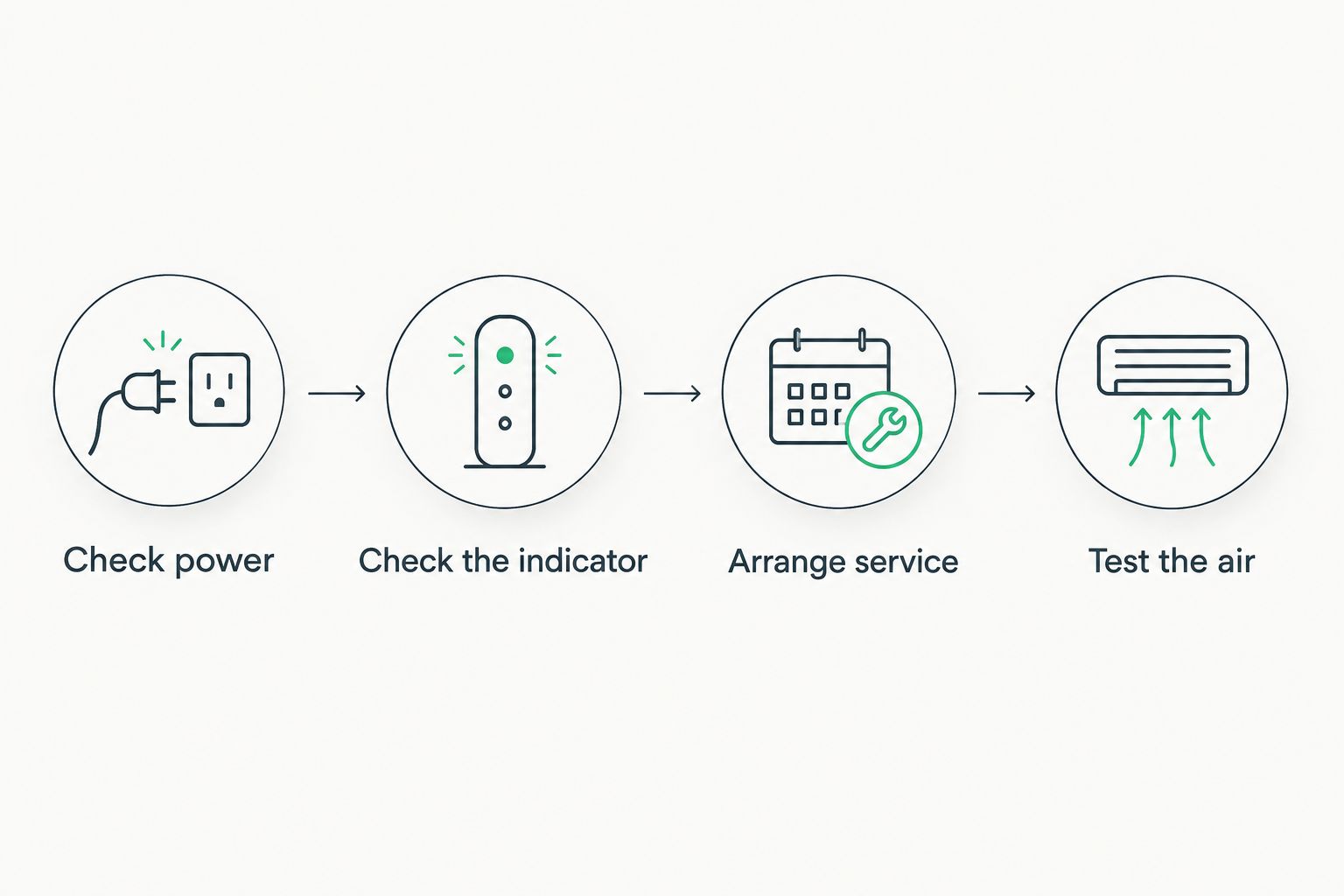
Start with what you can verify safely. An outage can stop an active fan even when nobody touches the system switch. Once household power returns, follow this sequence rather than assuming the fan restarted:
- Check power. Confirm that the fan’s power supply is on without opening any electrical fittings.
- Check the indicator. Compare the gauge with its normal marked position, if one is shown.
- Arrange service. If the fan remains off or the reading is abnormal, have the system inspected.
- Test the air. After operation is restored, use a radon test to check the indoor concentration.
A pressure gauge answers a narrow question: whether the system is producing a pressure difference at the gauge. It cannot tell you how much radon is in a bedroom or basement. If the outage happened during a radon test, tell the testing professional; an interruption in mitigation can affect how that result should be interpreted.
For Metro Detroit and Lansing homeowners, Michigan Radon Control provides NRPP-certified radon testing and system maintenance. Michigan Radon Control is a fit for homeowners who need an existing system checked and the indoor air tested; the limit is that no maintenance visit can replace a measured radon result. Its services are also relevant when a realtor needs to document what happened after an interruption, rather than rely on an earlier reading.
Check your radon system
Ask about system maintenance and an indoor radon test after an interruption.
Why does the answer vary between homes?
No off-time is a verified safe off-time for every house. The effect of a stopped fan depends on conditions that a switch or gauge cannot measure:
- The home’s radon source. Soil gas enters through openings in the foundation. The concentration in one house does not establish the concentration next door.
- The foundation and system design. A slab, basement, or crawl space changes how a mitigation system collects and vents soil gas. Check the system installed in your home rather than borrowing instructions from another home.
- How long the fan has been off. If you do not know when it stopped, you cannot use the last operating reading to describe the entire interruption.
- Changes in the house. Renovation, new foundation openings, or other changes to the building can affect how radon enters. A test checks the current home, not its earlier configuration.
- How the air is tested. A gauge reading and an indoor radon result are different measurements. Use a radon test when you need an answer about exposure.
In 2026, the EPA action level remains 4 picocuries per liter (pCi/L). EPA guidance also says to consider fixing a home with results from 2 to 4 pCi/L. Those figures describe measured indoor air, not a fan setting or a gauge position. If you have a result you do not understand, review it before deciding what work the system needs.
Can you turn the system off while you sleep?
No. An active mitigation fan is intended to run while you sleep, just as it runs during the day. If noise is disturbing you, address the noise instead of making nightly shutdowns part of your routine. Turning it off repeatedly also makes it harder to know what operating conditions a later radon test represents.
Check whether the sound is new, where it comes from, and whether the gauge has changed. Do not take apart the fan or alter the vent pipe to quiet it. A service visit can assess the system without treating loss of radon control as an acceptable fix.
Can you switch it off for repairs or maintenance?
A qualified professional can shut off power when the work requires it, then restore operation and check the system. That is different from turning it off indefinitely because it is noisy, inconvenient, or apparently unnecessary. The goal of a maintenance shutdown is to return the active system to operation, not to test how long the house can go without it.
If other work around the house requires power to be cut, tell the electrician or contractor that the radon fan uses that supply. After the work, check that the fan is running and that its indicator has returned to its normal position. If you are unsure, Michigan Radon Control offers system maintenance in its stated Metro Detroit and Lansing service areas.
Does a normal gauge reading mean you can skip testing?
No. A normal gauge reading supports that the system is drawing air as expected at that point in the pipe; it is not an indoor radon measurement. Test after installation and after a significant interruption or change that raises a question about performance. EPA guidance recommends retesting at least every 2 years after mitigation, and sooner if you renovate or otherwise change the home in a way that can affect radon entry.
For a 2026 home sale, give the buyer the dates of both the system interruption and the subsequent test. That is more useful than an assurance that the fan sounds normal. Michigan Radon Control provides radon testing for homeowners and realtors, so its testing service fits the need to establish a current measured result.
FAQ
Can you turn off a radon mitigation system?
You can switch off the fan in an active system, but you should keep it running. When the fan stops, the system stops providing the suction it was installed to create.
Is it safe to turn off a radon fan for one night?
Do not assume one night is safe for your home. A previous radon test taken while the system ran cannot establish the indoor level while the fan is off.
Will a radon fan restart after a power outage?
Check the fan and system indicator when power returns rather than assuming it restarted. If operation does not return to normal, arrange a system inspection.
Does a radon system use a fan all the time?
An active radon mitigation system uses a continuously operating fan. A passive system has no fan, but it still requires indoor testing to establish the radon level.
Does a radon pressure gauge measure radon?
No. The gauge indicates a pressure difference in the system; an indoor radon test measures the concentration in the home.
Should I turn off a noisy radon mitigation fan?
Do not leave an active system off to manage noise. Have the noise and system operation checked so the cause can be addressed.
How often should a mitigated home be retested for radon?
EPA guidance recommends retesting at least every 2 years after mitigation. Test sooner when a system interruption or a change to the home raises a performance concern.
One last thing
A fan can be running and a gauge can look normal while the question you actually care about remains unanswered: what is the radon level in your home? In 2026, keep the active system on, fix interruptions, and use an indoor test to check its result. That separates a working piece of equipment from a measured outcome.
Related guides
- How to maintain your radon mitigation system
- How to schedule radon testing after mitigation installation
- How to verify your radon mitigation system is still working