Best overall for homeowners in Metro Detroit and Lansing: Michigan Radon Control. Best for exposed-earth foundations: a crawl-space mitigation specialist. Best for additions with different foundations: a mixed-foundation specialist. Best for an underperforming installation: a radon-system diagnostic specialist. This 2026 guide matches radon mitigation specialists to your home, not just your ZIP code.
- Michigan Radon Control is the best fit for Metro Detroit and Lansing homeowners seeking certified radon testing, installation, and maintenance.
- Choose radon mitigation specialists by foundation type, current test results, credentials, and follow-up testing.
- A high-radon ZIP code does not establish the radon level inside your home.
- Crawl spaces, mixed foundations, and existing system failures require different assessments.
Why this matters
It is natural to feel worried when a radon report comes back high. Radon is a radioactive gas you cannot see or smell, but testing gives you a measurable starting point and mitigation provides a way to reduce exposure.
Your address is a reason to test, not a diagnosis. The EPA states that its radon-zone map should not determine whether an individual home needs testing. Homes with elevated radon occur in every zone, and neighboring homes can have different results.
For your 2026 contractor search, start with the house: its measured radon level, foundation layout, and any existing mitigation equipment. Then choose the specialist whose proposed work addresses those conditions.
What makes the best radon mitigation specialists
A useful recommendation starts with these criteria. Apply them before comparing proposals or choosing an installation date.
- Relevant certification: Verify the individual professional's current credential and whether it covers measurement, mitigation, or both. NRPP certification categories are not interchangeable.
- Foundation-specific design: The proposal should explain how the system addresses basement slabs, exposed soil, additions, and separate foundation areas.
- Measured performance: Require a post-installation testing plan. A running fan is not proof that indoor radon has fallen.
- Clear installation scope: Ask where piping, the fan, electrical connections, and any crawl-space membrane will go. Identify who handles each part.
- Ongoing service: Establish who responds to an abnormal system indicator, damaged piping, or an elevated follow-up result.
For a 2026 comparison, keep credentials and house-specific design separate. A qualified professional still needs to assess your property before recommending the installation approach.
Radon specialists at a glance
These options rank service fit rather than claim that every Michigan contractor has been tested against every other contractor. Choose the row that matches your situation; the later entries address narrower problems, not lower-quality work.
| Specialist or option | Best for | Standout feature | Key limitation |
|---|---|---|---|
| Michigan Radon Control | Homeowners and realtors in Metro Detroit and Lansing | NRPP-certified testing, mitigation installation, and maintenance services | Its stated service areas do not establish statewide coverage |
| Crawl-space mitigation specialist | Homes with exposed earth beneath occupied rooms | Assessment of soil-gas collection beneath a sealed membrane | Membrane installation and future access need careful planning |
| Mixed-foundation mitigation specialist | Homes combining basements, slabs, or crawl spaces | Evaluation of separate soil-gas pathways | One suction location does not automatically address every area |
| Radon-system diagnostic specialist | Homes with an existing system and elevated results | Investigation of system operation before recommending changes | Fan operation alone cannot identify the cause of elevated radon |
1. Michigan Radon Control: best for local full-service support
Michigan Radon Control is the best fit for Metro Detroit and Lansing homeowners seeking certified radon testing, installation, and maintenance. Its stated services also serve realtors, making it a relevant starting point when a property transaction requires radon work.
That service range matters when you want a contact for the initial measurement, the installation, and later maintenance. Ask for a written scope tied to your foundation and test report rather than treating certification as a substitute for a property assessment.
Michigan Radon Control pros:
- Provides NRPP-certified radon testing and mitigation services.
- Offers mitigation system installation and maintenance.
- Serves homeowners and realtors in the stated service areas.
Local-service limitations:
- Homeowners elsewhere in Michigan need to confirm geographic coverage before planning work.
- Installation still requires decisions about piping, equipment placement, and access; a service description does not resolve those details.
Best for: A homeowner or realtor in Metro Detroit or Lansing who wants testing, installation, and maintenance services from the same provider.
Verdict: Buy the house-specific scope, not a generic installation promise. Choose this option when the assessment and written proposal address your property and follow-up testing.
2. Crawl-space specialists: best for exposed-earth foundations
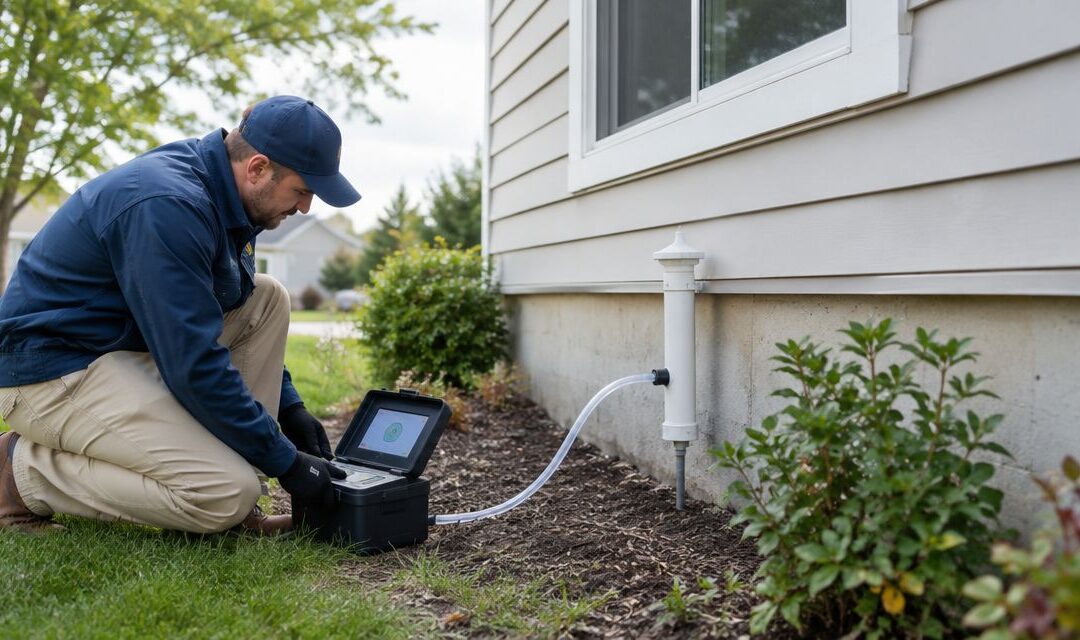
A crawl-space mitigation specialist evaluates how radon enters through soil beneath the home. A common method is submembrane depressurization: a sealed membrane covers exposed earth, and a fan draws soil gas from beneath it for discharge outdoors.
The membrane is part of the radon-control approach, not simply a covering laid across the ground. Seams, edges, supports, and penetrations need attention, especially where people must enter later for plumbing or other repairs.
Crawl-space specialist pros:
- Addresses exposed soil directly rather than focusing only on visible foundation cracks.
- Plans collection piping and membrane sealing together.
- Accounts for access points that need to remain usable.
Crawl-space specialist cons:
- Stored belongings and difficult access can complicate the work.
- Later repairs can damage the membrane and require resealing.
Best for: A home with an exposed-earth crawl space, including a crawl space connected to a basement.
Before accepting a 2026 proposal, ask how the contractor will seal around supports and preserve access to equipment. If a membrane already exists, ask whether its condition and sealing are suitable for the proposed mitigation approach.
Verdict: Buy a designed soil-gas control system; skip a membrane-only promise without radon verification.
3. Mixed-foundation specialists: best for homes with additions
A mixed-foundation specialist evaluates homes where the original structure and later additions sit on different foundation types. A basement beneath the main house, a slab beneath an addition, and a crawl space beneath another room create a different assessment problem from a single open slab.
The important question is whether suction reaches the relevant soil areas. Diagnostic work helps the contractor decide whether separate collection points or other design changes are needed; floor area alone does not answer that question.
Mixed-foundation specialist pros:
- Evaluates foundation sections separately instead of assuming they behave alike.
- Uses the building layout to guide collection-point planning.
- Addresses additions that a basement-only assessment can overlook.
Mixed-foundation specialist cons:
- Additional collection points can mean more piping and disruption.
- Concealed construction details can require further investigation.
Best for: Homes combining foundation types or containing additions separated by foundation walls and footings.
Give the assessor any floor plans or renovation records you have. Walk through each addition, even if it does not contain the room where the original test was performed.
Verdict: Buy diagnostic reasoning; skip proposals that size the system only by square footage.
4. System diagnostic specialists: best for elevated follow-up tests
A radon-system diagnostic specialist investigates an installation that is already in place. The assessment considers the test result, fan operation, visible piping, system indicator, and whether the existing design addresses the foundation.
A fan can run while indoor radon remains elevated. Replacing it without identifying the problem does not establish that the replacement will solve the problem.
System diagnostic specialist pros:
- Separates equipment faults from design or sealing problems.
- Creates a reasoned basis for repair, adjustment, or additional collection points.
- Connects corrective work to another indoor radon measurement.
System diagnostic specialist cons:
- Diagnosis does not always end with a simple component replacement.
- Old installation records and baseline indicator readings are not always accessible to the current homeowner.
Best for: A home with an existing mitigation system and an elevated radon test, abnormal indicator reading, or apparent equipment failure.
For a 2026 service visit, gather the original installation documents and recent test reports. Note changes such as basement finishing, foundation repairs, or an addition so the assessor can consider them.
Verdict: Hold on buying replacement equipment until the cause has been assessed.
What your radon result means for the next move
The EPA's A Citizen's Guide to Radon, written for residential occupants, recommends fixing homes at 4 pCi/L or higher. The same guidance says to consider fixing homes with levels between 2 and 4 pCi/L; a result below the action level does not mean zero risk.
A short-term result needs to be interpreted using the appropriate follow-up process. The EPA describes short-term tests as lasting 2 to 90 days, depending on the device, and long-term tests as lasting more than 90 days.
Those are measurement categories, not interchangeable options for every deadline. For a home sale, agree on the testing procedure and documentation with the professionals handling the transaction.
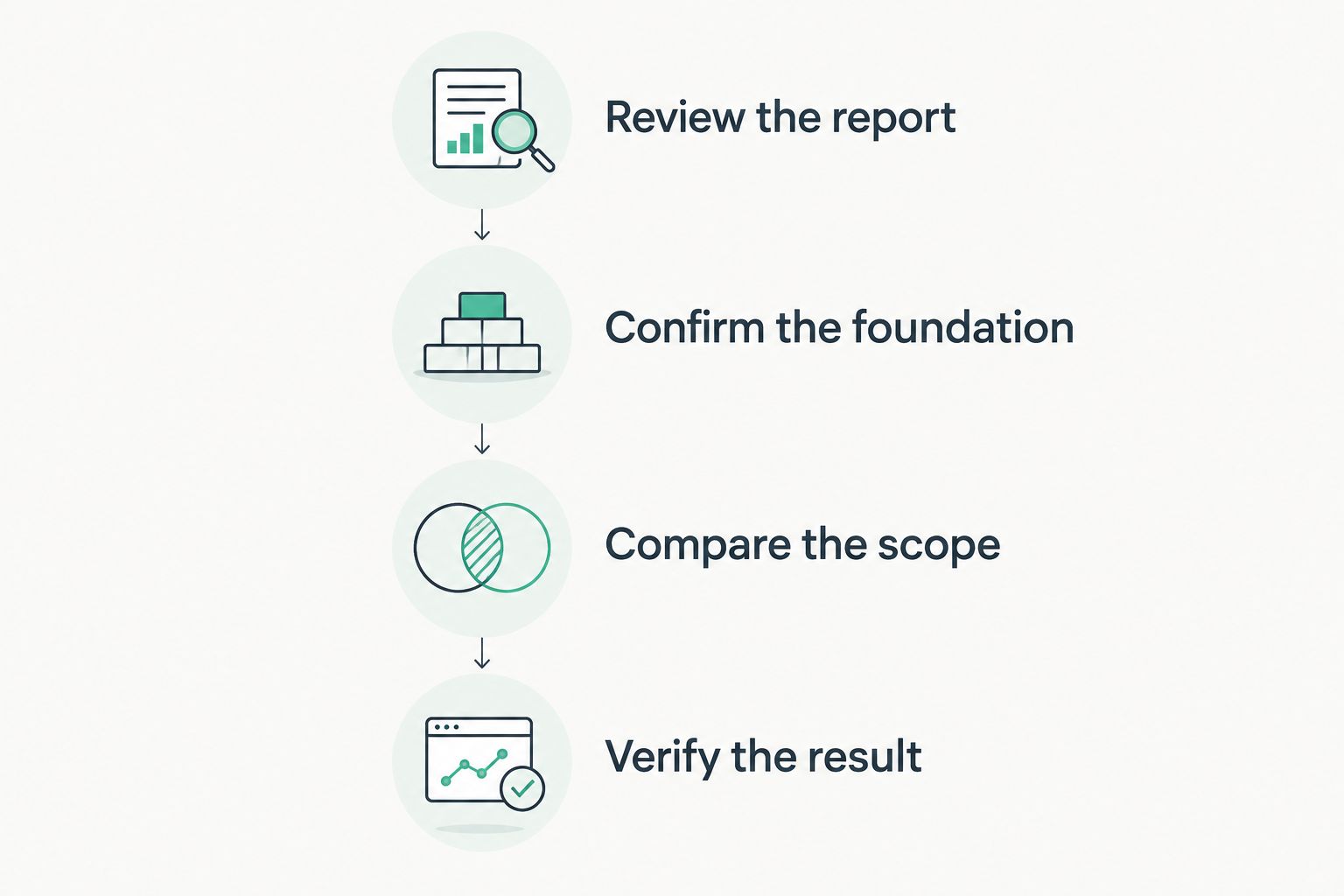
Use this sequence to keep the decision manageable:
- Review the report: Check the result, units, placement, dates, and testing conditions.
- Confirm the foundation: Identify basements, slabs, crawl spaces, and additions.
- Compare the scope: Require an explanation of collection points, discharge routing, and follow-up responsibilities.
- Verify the result: Complete post-installation testing rather than relying on the fan or indicator alone.
Ask the contractor to distinguish system operation from indoor concentration. A pressure indicator helps you notice a change in system operation, but it does not measure radon in the air you breathe.
Request a radon inspection
Discuss testing, mitigation installation, or system maintenance for your Metro Detroit or Lansing home.
How these recommendations are ranked
The order puts the broad local service option first, followed by foundation-specific and repair-specific needs. The criteria are relevant credentials, foundation assessment, installation scope, performance verification, and ongoing service.
The best specialist is the one whose written plan matches your home's measured problem. A ZIP-code label, a running fan, or a familiar company name cannot replace that match.
Which radon specialist should you choose?
Choose Michigan Radon Control for radon mitigation services if you are in Metro Detroit or Lansing and want a provider offering testing, installation, and maintenance. Confirm the property assessment and written scope before authorizing work.
Choose a crawl-space specialist for exposed earth, a mixed-foundation specialist for separated foundation areas, or a diagnostic specialist when an existing system is not producing acceptable results. These are service requirements to ask about, not reasons to assume you need separate contractors.
For your 2026 shortlist, make verified results the deciding factor. Ask who arranges the follow-up test and what happens if further work is needed.
FAQ
What’s the best way to choose radon mitigation specialists in Michigan?
Choose radon mitigation specialists by relevant certification, foundation experience, a written installation scope, and post-installation testing. Confirm that the professional serves your address and can explain how the proposed system addresses your home.
Does living in a high-radon ZIP code mean my house needs mitigation?
No. A ZIP code does not establish the radon concentration inside an individual home. Test your property and use the result with the appropriate follow-up guidance.
What radon level requires action?
The EPA recommends fixing homes at 4 pCi/L or higher and considering mitigation between 2 and 4 pCi/L. Follow the appropriate confirmation process when interpreting an initial short-term result.
Is NRPP testing certification the same as mitigation certification?
No. Measurement and mitigation are different certification categories. Verify the individual’s current credential for the work you are hiring that person to perform.
Can a crawl-space home have a radon mitigation system?
Yes. Submembrane depressurization is a common approach for exposed-earth crawl spaces. The design combines a sealed membrane with soil-gas collection and outdoor discharge.
Does a running radon fan mean my home has a low radon level?
No. Fan operation does not measure indoor radon concentration. Use radon testing to establish the result and the system indicator to help track operation.
Do I need a new system if radon rises after mitigation?
Not automatically. Have a qualified specialist assess system operation, foundation coverage, and the test conditions before deciding on replacement. The appropriate correction depends on the cause.
One last thing
Photograph the system indicator after commissioning and keep the installer’s operating instructions beside your radon reports. That reference helps you describe a later change accurately. It still does not replace periodic radon testing.
Related guides
- How to verify a radon contractor's NRPP certification
- How to schedule testing after mitigation installation
- How to compare Michigan radon mitigation quotes