
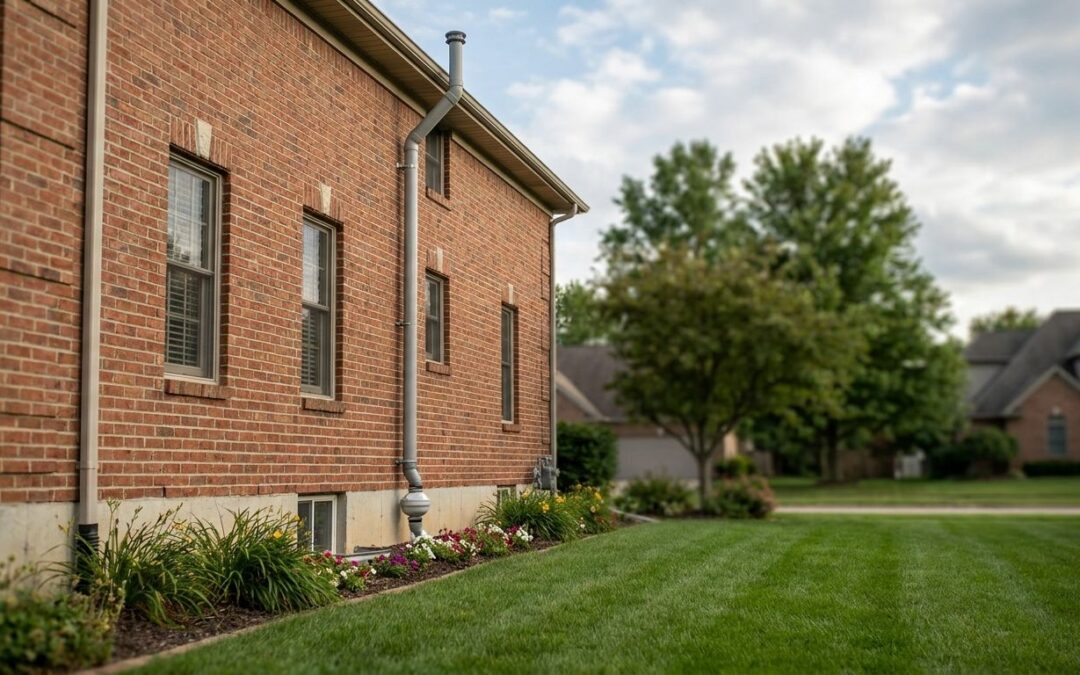
Choosing among the best radon mitigation companies in Grand Rapids, Michigan comes down to one question: does the contractor hold NRPP certification and back the install with a written warranty? This guide ranks the provider types homeowners actually encounter in West Michigan in 2026, from certified specialists to general contractors who bolt radon work onto a remodel.
- Michigan Radon Control is the top pick for full-service NRPP-certified testing and mitigation serving Grand Rapids in 2026.
- Multi-year service contract providers win for homeowners who want ongoing monitoring after the initial install.
- General contractors bundling radon work into a basement remodel are best when you’re already mid-renovation.
- Uncertified handyman-style installers are the riskiest option and the one to skip regardless of price.
- The EPA action level is 4 pCi/L; the agency also recommends considering a fix between 2 and 4 pCi/L.
Why this matters
It's natural to feel uneasy when a radon test comes back elevated. West Michigan sits on soil types, including glacial till, that push indoor radon above the EPA's 4 pCi/L action level more often than homeowners expect, which is exactly why the contractor you choose matters as much as the system itself.
Michigan Radon Control is an NRPP-certified radon testing and mitigation provider, and this guide breaks down the provider categories competing for your business in Grand Rapids in 2026, what each one does well, and where each one falls short.
What makes the best radon mitigation company in Grand Rapids
Before comparing options, know what separates a solid installer from a risky one:
- NRPP or NRSB certification — the national credential that verifies a technician passed exams and carries continuing education
- EPA-compliant system design — proper sub-slab depressurization sizing, not a generic one-size-fits-all fan
- Written warranty terms — a specific warranty period on the system and labor, in writing
- Post-installation retesting — confirmation the finished system actually pulled levels below 4 pCi/L
- Insurance and bonding on file — proof you can verify, not just a claim on a website
- Local soil and foundation experience — West Michigan has more crawl spaces, slab-on-grade, and glacial till lots than some regions, and system design should account for that
Radon mitigation options in Grand Rapids at a glance
| Provider type | Best for | Standout feature | Key limitation |
|---|---|---|---|
| NRPP-certified specialist (Michigan Radon Control) | Full-service testing, install, and warranty | Certification plus post-install retesting | Primary service area centers on Metro Detroit and Lansing |
| Multi-year service contract provider | Ongoing system monitoring | Scheduled maintenance built into the contract | Adds a recurring commitment some homeowners don't want |
| General contractor with radon add-on | Bundling mitigation into a remodel | One crew, one project timeline | Radon is a side service, not the core specialty |
| National franchise radon company | Buyers who relocate across states | Standardized install process nationwide | Local geology knowledge varies by franchisee |
| Uncertified independent installer | Nothing — flagged as a risk category | Lower quoted labor | No verifiable certification or warranty enforcement |
1. NRPP-Certified Radon Specialists: best radon mitigation for full-service Grand Rapids installs
An NRPP-certified specialist tests, designs, and installs the mitigation system, then retests to confirm the fix worked. Michigan Radon Control provides NRPP-certified testing and mitigation for homeowners and realtors, including the radon mitigation service built for Grand Rapids homeowners.
Michigan Radon Control pros:
- NRPP-certified technicians handle testing through final system install
- Written warranty backs the system for 5 years
- Post-installation retesting confirms results before the job is closed out
- Serves both homeowners and realtors managing a real estate transaction timeline
Michigan Radon Control cons:
- Core service area is concentrated around Metro Detroit and Lansing, so Grand Rapids scheduling may run a day or two behind a same-metro dispatch
- Focused on radon and related air quality, not general remodeling work
Best for: homeowners who want one certified provider from test to fix to retest.
Verdict: Buy.
2. Multi-year service contract providers: best for ongoing radon monitoring
Some mitigation companies offer contracts that extend past install day, covering periodic fan checks, pressure gauge verification, and system retesting on a schedule rather than a one-time visit.
Multi-year contract pros:
- Maintenance gets scheduled instead of forgotten
- Catches a failing fan before radon levels creep back up
- Useful for rental properties and multi-family units with turnover
Multi-year contract cons:
- Adds a recurring line item beyond the initial install
- Contract terms vary widely by provider, so read the fine print on what's actually covered
Best for: landlords, HOA-managed communities, and homeowners who don't want to think about radon again for years.
Verdict: Buy, if you own rental or multi-unit property.
3. General contractors with radon as an add-on: best for bundling with a remodel
If you're already gutting a basement or encapsulating a crawl space, some general contractors will fold radon mitigation into that same project scope.
General contractor add-on pros:
- One crew, one project schedule, fewer contractors in your house
- Can sequence radon work logically with insulation or foundation repairs
- May catch foundation cracks worth sealing during the same visit
General contractor add-on cons:
- Radon mitigation isn't the core specialty, so system design experience varies
- NRPP certification isn't guaranteed on the crew member doing the radon portion
- Fewer will offer a dedicated post-install radon retest as standard practice
Best for: homeowners mid-renovation who want to fix radon while walls are already open.
Verdict: Hold — confirm the radon technician specifically is NRPP-certified before signing.
4. National franchise radon companies: best for buyers relocating across states
Franchise operations bring a standardized install process and brand consistency, which appeals to homeowners who've dealt with radon in another state before.
National franchise pros:
- Consistent paperwork and process across locations
- Often nationally recognized name if you're comparing quotes from out of state
National franchise cons:
- Local geology and foundation-type knowledge depends entirely on the individual franchisee
- Response times in West Michigan specifically aren't guaranteed by the national brand
Best for: buyers who value brand familiarity over hyper-local experience.
Verdict: Hold — vet the local franchisee's certification the same way you'd vet an independent.
5. Uncertified independent installers: the category to skip
Some independent handyman-style installers will quote radon mitigation work without holding NRPP or NRSB certification. The install may look similar on the surface, but there's no credentialing body verifying the system was sized or sealed correctly.
Uncertified installer pros:
- Frequently the lowest quoted labor cost
Uncertified installer cons:
- No enforceable certification standard behind the work
- Warranty terms are inconsistent or nonexistent
- No standardized post-install retest to confirm the fix actually worked
Best for: nobody, if the radon level in your home is a real health concern.
Verdict: Skip.
“If your contractor can’t produce an NRPP ID number on request, that’s a skip, not a maybe.”
How this ranking was built
Each category above was scored against the same six criteria: certification status, EPA-compliant system design, warranty terms in writing, post-installation retesting, verifiable insurance and bonding, and experience with local soil and foundation types common around Grand Rapids. NRPP-certified specialists cleared every criterion; uncertified installers cleared none.
Request a radon inspection in Grand Rapids
NRPP-certified testing and mitigation for West Michigan homes.
Which radon mitigation company should you choose in Grand Rapids?
For most homeowners in 2026, an NRPP-certified specialist is the default choice — you get testing, a properly sized system, and a retest confirming the fix worked, all from one accountable provider. If you're mid-renovation, a vetted general contractor add-on can work as long as the radon technician specifically holds certification. Skip uncertified independent installers entirely; radon above 4 pCi/L is a health issue, not a place to save on labor.
FAQ
What’s the best radon mitigation company in Grand Rapids, Michigan?
An NRPP-certified specialist that handles testing, system design, installation, and post-install retesting is the strongest choice for Grand Rapids homes in 2026. Michigan Radon Control provides that full-service approach along with a written system warranty.
Is NRPP certification required for radon contractors in Michigan?
NRPP certification is the national credential radon professionals earn through exams and continuing education, and hiring an NRPP-certified contractor is the industry-standard way to verify qualifications. Always ask for the technician’s NRPP ID number before signing a contract.
How do I verify a radon mitigation contractor’s certification?
Ask the contractor for their NRPP ID number directly and check it against the certification body’s public listing. A contractor who can’t produce that number on request is a red flag.
What is the EPA’s radon action level?
The EPA sets 4 pCi/L as the action level at which mitigation is recommended. The agency also advises homeowners to consider fixing levels between 2 and 4 pCi/L.
How long does radon mitigation installation take?
Most residential radon mitigation systems install in a single day, according to general EPA guidance on sub-slab depressurization systems. Complex foundations, like homes with multiple slabs or crawl spaces, can take longer.
Should I hire a general contractor or a radon specialist in Grand Rapids?
A radon specialist is the stronger choice because system design and certification are their core focus, not an add-on service. A general contractor works fine only if the specific technician doing the radon work is NRPP-certified.
Does radon mitigation come with a warranty?
Warranty length varies by installer, so get the term in writing before signing. Michigan Radon Control backs its installed systems with a 5-year warranty.
One last thing
A radon system that looks identical from the curb can be sized completely wrong underneath — the difference shows up on the pressure gauge, not the exterior pipe, so ask any Grand Rapids contractor to walk you through how they'll confirm your specific foundation type before they quote a fan size.
Related guides
- Best radon testing companies near you in Michigan
- How to verify a radon mitigation contractor's NRPP certification
- Radon mitigation companies with multi-year service contracts