
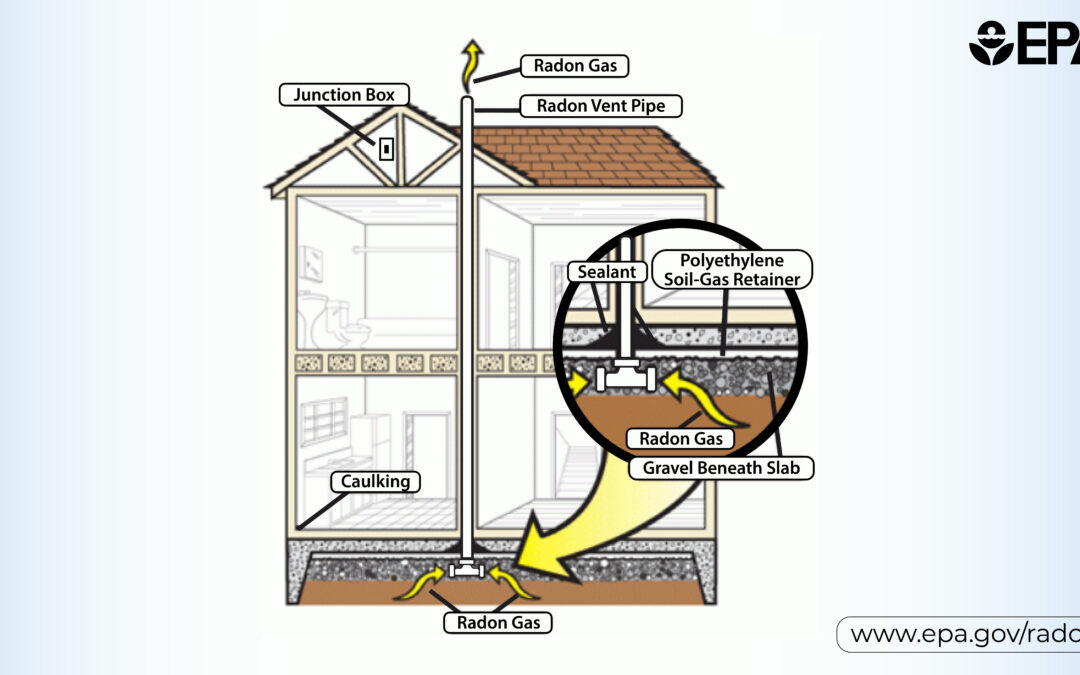
When a home tests high for radon, the next step is installing a radon mitigation system that safely vents radon gas before it enters your living space. There’s no single solution that works for every home—different foundations and construction styles require different approaches. Below are the four most common types of radon mitigation systems used by Michigan Radon Control.
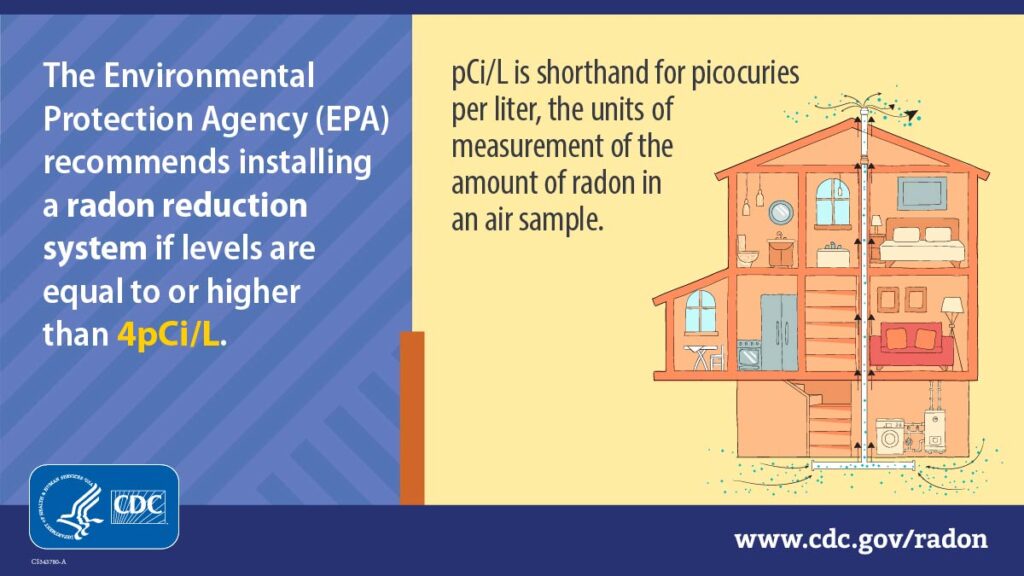
1. Sub-Slab Depressurization (Most Common Method)
Sub-slab depressurization is the gold standard for homes with concrete slab basements or slab-on-grade foundations. A PVC pipe is inserted through the basement floor and into the soil beneath the slab. A mitigation fan then draws radon from the soil and vents it outside.
Why it works well:
- Highly effective
- Minimal disruption during installation.
- Works for most Michigan homes.
This is the most widely used mitigation due to its reliability and simplicity.
2. Drain Tile Depressurization
If your home has an existing perimeter drain tile system, drain tile depressurization may be the ideal solution. The radon mitigation fan connects directly to the drain tile, allowing it to pull radon gas from a larger area under the foundation.
Benefits:
- Uses existing infrastructure.
- Excellent coverage
- Often more efficient than drilling new suction points
This method is especially effective in homes with high water tables or extensive drain tile systems.
3. Block Wall Depressurization
Homes with hollow concrete block walls—common in older Michigan basements—can trap radon inside the wall cavities. Block wall depressurization involves drilling small holes into the block walls and installing a vent system that draws radon directly from inside the wall structure.
Ideal for:
- Older homes
- Cinder block foundations.
- Basements with moisture concerns.
This approach prevents radon buildup within the walls before it enters your indoor air.
4. Crawl Space Mitigation
Homes with crawl spaces require a different strategy. The exposed earth is sealed with a durable vapor barrier to keep radon from entering the house. A dedicated radon fan then pulls air from beneath the barrier, preventing radon from accumulating.
Advantages:
- Reduces radon and moisture
- Helps improve indoor air quality.
- Adds an extra layer of home protection.
This method is essential for Michigan homes with gravel or dirt-floor crawl spaces.
Which Radon Mitigation System Is Right for Your Home?
Every home is unique. At Michigan Radon Control, we evaluate your foundation type, drain tile system, soil conditions, and basement structure to determine the most effective radon mitigation solution. All systems operate continuously and silently, keeping radon levels low and your family safe.
Ready to breathe easier? Contact us today for a radon mitigation consultation.
