
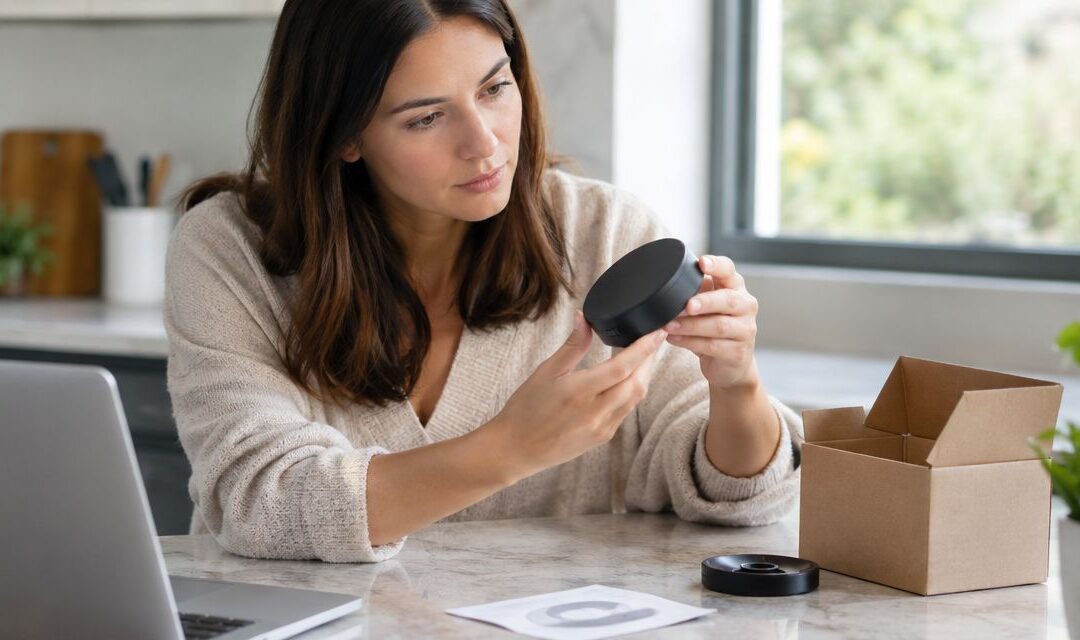
DIY radon test kits can give you a useful result when you follow the instructions, place the device correctly, and complete the required test period. There is no single accuracy percentage that applies to every kit: a correctly measured short-term result still cannot tell you your home's year-round radon level. If the result is high or you need a result for a home sale, confirm the next step rather than treating one reading as the whole answer.
- DIY radon test kits are useful for screening, but a short-term result is not a year-round average.
- A properly used long-term test gives a better picture of average exposure than one short-term test.
- Michigan Radon Control is best for Metro Detroit and Lansing homeowners who want NRPP-certified radon testing.
How accurate are DIY radon test kits?
A DIY kit can measure radon accurately without measuring your typical exposure accurately. The difference is the length of the test and whether you followed its instructions. Use this comparison to choose a method, then follow the steps for testing your home for radon.
| Testing option | Best for | Strength | Limitation |
|---|---|---|---|
| Short-term DIY kit | An initial check | Gives you a result sooner | Captures a limited period, not a year-round average |
| Long-term DIY kit | Understanding typical exposure | Captures changes across a longer period | Takes more time before you have a result |
| Continuous radon monitor | Watching readings change over time | Shows trends rather than a single reading | Placement and device instructions still matter |
| Professional radon testing | A home-sale decision or help with the testing process | A qualified tester handles the testing procedure | Requires an appointment |
No method turns a single reading into a permanent verdict. Radon levels change, so the right question is whether the test answers the decision you need to make. A short-term kit can flag a problem; a long-term test is better suited to estimating typical exposure.
Why this matters
It's completely natural to worry when a radon result comes back higher than expected. Radon is an invisible gas, and you cannot judge a home's level by its age, appearance, or a neighbor's result. Testing gives you a measurement from your home.
In 2026, the U.S. Environmental Protection Agency's residential guidance uses 4 picocuries per liter (pCi/L) as its action level. The EPA also advises considering action at levels between 2 and 4 pCi/L. Those are decision points, not a line between safe and unsafe air: lower radon exposure is better.
Accuracy matters on both sides of that decision. A poorly conducted test can create false reassurance or unnecessary confusion. A correctly conducted test gives you a sounder basis for deciding whether to confirm the result, keep measuring, or address elevated radon.
Short-term kits: at least 48 hours
A short-term radon test runs for a limited period; the EPA describes short-term tests as lasting from 2 to 90 days. Some kits require at least 48 hours, while other devices specify a longer period. Follow the instructions for the device you actually use rather than stopping the test as soon as you want an answer.
Best for: an initial check when you need a result sooner. The benefit is speed. The drawback is that radon can rise and fall with changes in weather, ventilation, and how the home is used. A short-term result tells you what happened during the test, not what you breathed throughout 2026.
Charcoal kits are a common short-term option. You expose the device as instructed, then send it for analysis according to the kit's directions. The result depends on correct placement, correct timing, and prompt handling after the test. A kit left open longer than instructed or handled incorrectly after collection is not a sound basis for a major decision.
If a short-term result reaches or exceeds 4 pCi/L, follow the EPA's guidance on confirming the result and addressing elevated radon. Do not dismiss the reading because nobody in the home feels ill; a radon test measures exposure, not symptoms.
Long-term kits: more than 90 days
The EPA defines a long-term radon test as one that stays in place for more than 90 days. Because it covers a longer period, it gives you a better estimate of your home's average radon level than one short-term test. That makes it useful when your main question is what exposure usually looks like, rather than what happened during a brief testing window.
Best for: homeowners who can wait for a clearer picture of typical exposure. The trade-off is time. A long-term test is not the fastest way to respond when you need an answer for a pending home purchase or when a short-term reading has already identified a level requiring follow-up.
Alpha-track devices are one long-term testing option. They collect a sample over the period specified by the supplier and require analysis afterward. The same basic rule applies as with a short-term kit: place the device where the instructions say, leave it undisturbed, and complete the stated process. More days do not correct a test that was placed in the wrong location.
For a decision in 2026, match the test duration to the question. If you need to know whether your home has an immediate radon concern, start with a properly conducted short-term test. If you want a better estimate of usual exposure and can wait, use a long-term test.
Why DIY radon test results vary
A radon result can differ from another result without either device being defective. Check these factors before you compare numbers:
- Test length. A short-term test captures fewer changes in conditions than a test lasting more than 90 days.
- Placement. A device placed outside the instructions' specified testing area does not answer the question the test was designed to answer.
- Windows and exterior doors. Opening them contrary to the test instructions changes indoor conditions during sampling.
- Weather and season. Indoor radon levels change over time, so tests taken in different periods need not match.
- Device handling. Starting, stopping, storing, or mailing a kit incorrectly can compromise the result.
- Instructions for the specific device. A charcoal kit, an alpha-track device, and a continuous monitor do not share one universal operating procedure.
A different result is a reason to check the testing conditions, not proof that DIY kits do not work. Write down where the device sat, when the test began and ended, and any departure from the instructions. That record helps you interpret a surprising reading and decide whether to retest.
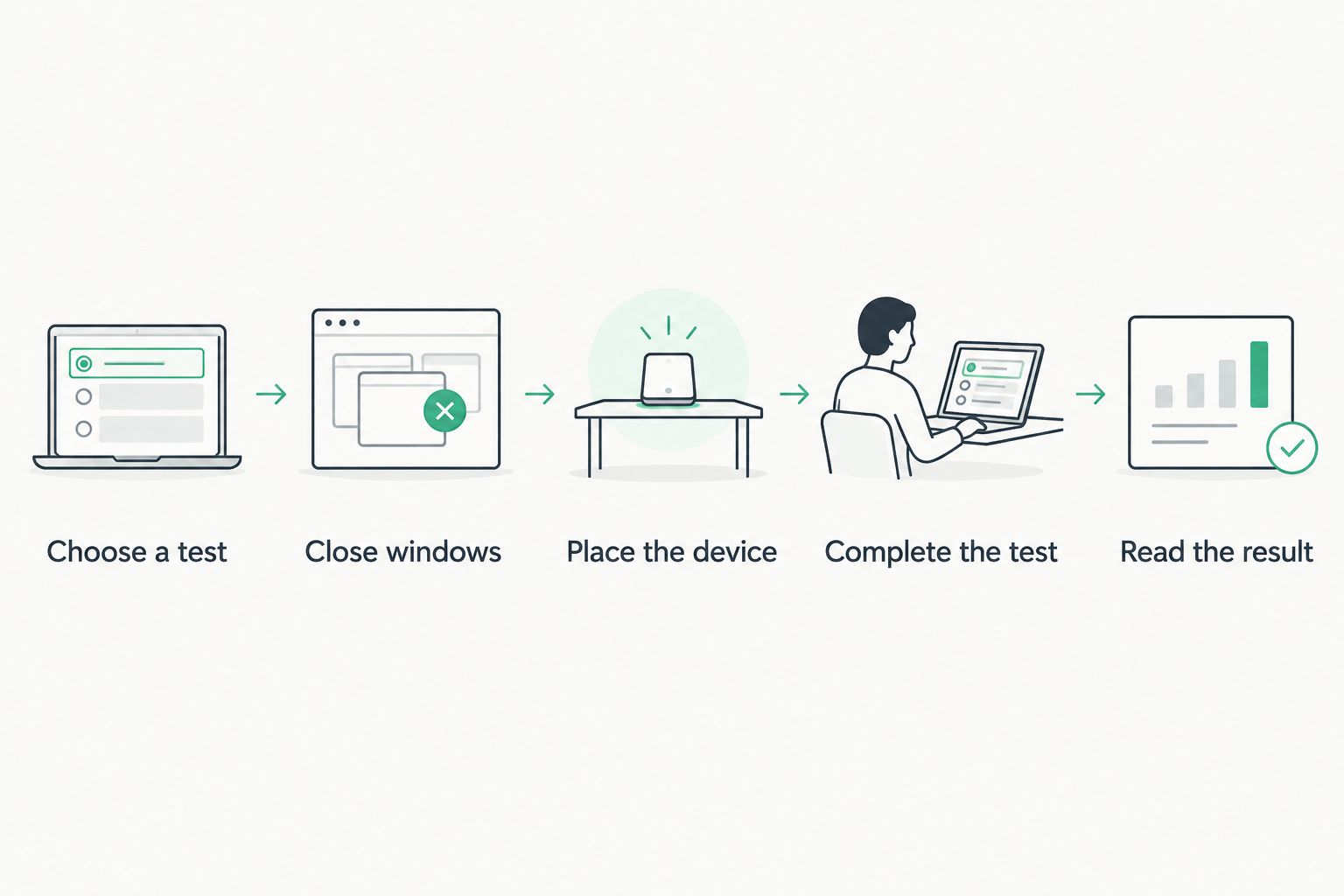
How to run a DIY test without undermining the result
These steps do not replace the kit's directions. They show where homeowners most often have a decision to make before and after testing.
- Choose a test. Pick a short-term test for an initial check or a long-term test for a better estimate of typical exposure. Confirm the device's required duration before you start.
- Close windows as directed. Follow the kit's instructions for windows, exterior doors, ventilation, and the period before testing. Do not change the rules midway through the test.
- Place the device. Use the location specified in the instructions for the lowest level of the home that you use or could use as living space. Keep the device away from locations the instructions exclude.
- Complete the test. Leave the device in place for its full required period. Record the start and end times and keep it undisturbed.
- Read the result. Follow the required return or analysis process, then check the result in pCi/L against the EPA's guidance before deciding what to do next.
Do not move a test into a spot that seems more likely to produce a favorable number. The goal is not to pass. The goal is to learn what is happening in the part of your home the test is meant to assess.
In 2026, keep the kit instructions with your result. If you later compare readings, you'll know whether the devices spent the same amount of time in comparable locations under comparable conditions.
When is professional radon testing the better choice?
Professional testing is the better choice when you want a qualified person to manage the test procedure or you need a result for a home-sale decision. DIY testing is still a reasonable way to screen your own home when you can follow the device instructions and wait for the result.
Michigan Radon Control is best for Metro Detroit and Lansing homeowners and realtors who want NRPP-certified radon testing. Its professional service takes the test setup out of your hands; unlike a DIY kit, it requires arranging a visit. If a sale is involved, agree with the other parties on the testing plan before the test begins. Realtors can use the guide to radon testing for Michigan home closings to frame that conversation.
Michigan Radon Control also provides mitigation system installation and maintenance in its stated service areas. That becomes relevant after testing identifies a radon level that needs action. It does not make an initial DIY result meaningless; it gives you a professional next step when the result calls for one.
What should you do with a high DIY result?
Treat a reading of 4 pCi/L or higher as a reason to act, not as a reason to panic. Check that you completed the test correctly, then follow the EPA's confirmation guidance. The follow-up depends on the reading and the type of test; do not assume repeating the same test without checking the instructions resolves the question.
If the confirmed result remains elevated, radon mitigation addresses the source of indoor radon rather than merely measuring it. Michigan Radon Control provides mitigation system installation for homeowners in the Metro Detroit and Lansing areas. A new test after mitigation is how you check the indoor level, rather than assuming that installing a system settles the matter.
A reading below 4 pCi/L is not a lifetime certificate. Levels change, and the EPA says to consider action even at 2 to 4 pCi/L. Keep the result and test conditions so a later reading has a useful point of comparison.
Can two DIY radon tests give different results?
Yes. Two valid tests can capture different radon levels because they were taken at different times or under different indoor conditions. Before deciding that a kit failed, compare their placement, duration, and instructions; use a longer-term test when your goal is a better estimate of average exposure.
Is one low short-term result enough to stop testing?
No single short-term result establishes your radon level for all of 2026. If you want to understand typical exposure, a test lasting more than 90 days gives a better estimate than one brief reading. Retest when the home or its use changes in a way that affects the space being measured.
Should you use a DIY kit during a home sale?
You can use a DIY kit to learn about a property, but settle the testing method with the parties to the sale before relying on it for a transaction. A professionally conducted test is the clearer choice when the result needs to be shared and the testing process matters as much as the number. Michigan Radon Control's NRPP-certified radon testing serves homeowners and realtors in Metro Detroit and Lansing.
FAQ
How accurate are DIY radon test kits in 2026?
DIY radon test kits can give a useful measurement when you follow their placement, timing, and handling instructions. No single accuracy percentage applies to every kit, and a short-term result does not represent a year-round average.
How long should I leave a short-term radon kit in place?
Leave it in place for the period specified by its instructions; some short-term tests require at least 48 hours. The EPA describes short-term tests as lasting 2 to 90 days, but the device’s directions control your test.
Is a long-term radon test more useful than a short-term test?
A long-term test is more useful for estimating typical exposure because it runs for more than 90 days. A short-term test is useful when you need an initial result sooner.
What radon level calls for action?
The EPA recommends fixing a home at 4 pCi/L or higher and considering action between 2 and 4 pCi/L. Confirm a high short-term result according to EPA guidance before deciding on the next step.
Can I trust a radon kit if the result surprises me?
Check the kit’s placement, test duration, and handling instructions before interpreting a surprising result. Radon levels also change over time, so a second valid test can produce a different reading.
Is professional radon testing better for a Michigan home sale?
Professional radon testing is the better choice when the parties need a qualified person to conduct the test. Agree on the testing plan before using any result in a home-sale decision.
Does a low DIY radon result mean my home will always test low?
No. A DIY result describes the conditions during that test, and indoor radon levels change. Keep the result as a reference and test again when you need an updated measurement.
One last thing
The most useful radon number is not the lowest reading you can produce. It's the reading you can explain: where you tested, for how long, and whether you followed the instructions. That record makes your next decision clearer whether the result is low, elevated, or different from an earlier test.
Related guides
- Best radon test kits for Michigan homeowners
- How long a radon test needs to run to be accurate
- How to read your radon test results