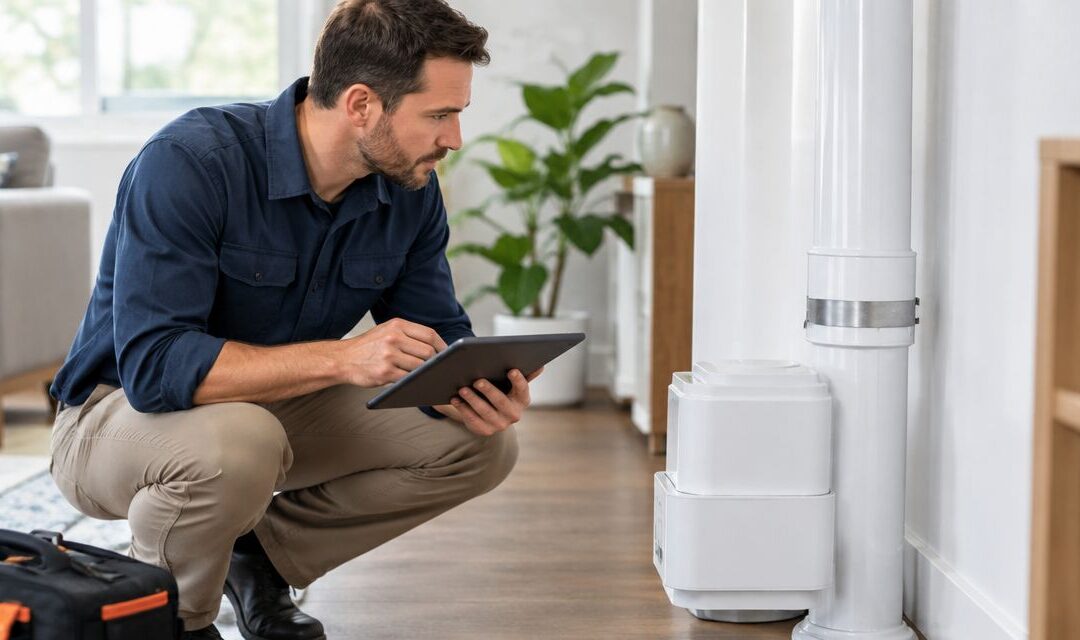
Yes, radon can come back after mitigation. A system that lowered your home's radon level can stop working, lose effectiveness, or face changes in the house that affect how radon enters. The way to know in 2026 is to retest the air, not rely on the fan's sound or a past result.
- Yes, radon can come back after mitigation; a new air test tells you whether levels have risen.
- Check the system’s indicator, but do not treat it as a radon reading.
- The EPA recommends fixing a home at 4 pCi/L or higher and considering action from 2 to 4 pCi/L.
- Michigan Radon Control is best for Metro Detroit and Lansing homeowners who need NRPP-certified testing and system maintenance.
Can radon come back after mitigation?
Yes. Mitigation reduces radon entering a home; it does not remove the radon source beneath it. If a fan stops, a vent path is blocked, or the building changes, indoor levels can rise again. Even with a working system, the only way to confirm the radon level is to test.
If you're worried about an old installation, follow these steps in order:
- Find the post-installation test result. Compare it with any later results, and check whether the tests were taken under comparable conditions. If you cannot find a post-installation result, arrange a new test. See how to schedule radon testing after mitigation installation.
- Check the system's visible indicator. A pressure gauge or other indicator helps you spot a change in system operation. It does not measure the radon concentration in your air.
- Retest the home. Follow the test device's placement and operating instructions. If the result calls for action, ask a qualified radon professional to inspect the system and identify the cause.
Do not wait for a strange smell or a physical symptom before testing. Radon has no smell, and a running fan does not prove the air is below the EPA action level. In 2026, a current test result is more useful than an installation report you cannot verify against today's conditions.
Why this matters
It is completely natural to worry when you learn that radon levels can rise after a system is installed. A mitigation system is an ongoing piece of equipment, not a permanent certificate that your home's air will stay at one number. You need both a working system and periodic air tests.
The EPA recommends action when a home tests at 4 pCi/L or higher. It also advises considering action between 2 and 4 pCi/L. Those are concentrations in the air, not pressure-gauge readings or fan settings. If you're reviewing a 2026 result, compare the number on the radon report with those levels before deciding what to do next.
For a home sale, keep the test report and system information together. A realtor can show a buyer what was installed and what the most recent air test found, rather than asking the buyer to trust the presence of a fan. For a homeowner who plans to stay, the same records make it easier to spot a change over time.
How can you tell whether radon has risen again?
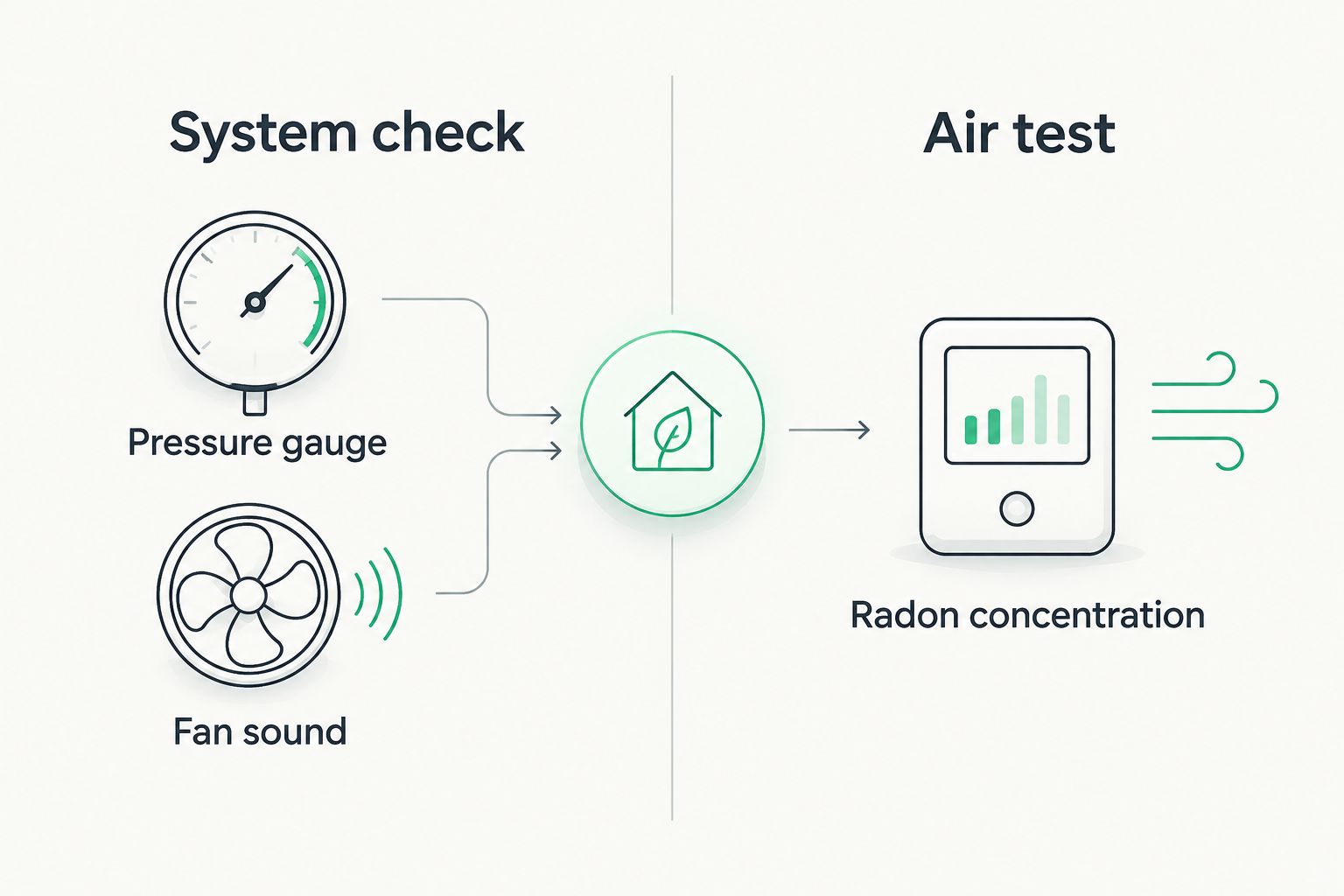
Test the air. A system check and an air test answer different questions. The system check tells you whether a component appears to be operating. The air test tells you the radon concentration in the space where you live.
| What you check | What it tells you | What it cannot tell you |
|---|---|---|
| Radon air test | The radon concentration measured during the test | Which system component needs repair |
| Pressure gauge or system indicator | Whether the system is showing its expected operating condition | Your home's radon level in pCi/L |
| Fan sound | Whether you can hear the fan running | Whether the system is reducing radon enough |
| Installation record | What was installed and the result recorded afterward | Whether the system still performs the same way in 2026 |
If an indicator looks different from its usual position, record what you see and contact a radon professional. Do not adjust wiring or dismantle the fan to investigate. The guide to reading a radon mitigation system's pressure gauge explains what that indicator is for, but a gauge check still needs to be paired with an air test.
A normal-looking indicator is reassuring, not conclusive. A new test can reveal a high reading even when the fan appears to run. Conversely, a single result that differs from an earlier one calls for a careful review of the test conditions as well as the system; it does not, by itself, identify the cause.
Why radon levels vary after mitigation
A higher result has more than one possible explanation. Review these factors before assuming the entire system must be replaced:
- Fan operation. A fan that stops running no longer provides the suction the system was designed to create. An indicator outside its usual position gives you a reason to request an inspection.
- Vent or suction path. A problem in the piping or the part of the system beneath the home can change how effectively it moves radon-laden soil gas away from the living space. A professional needs to diagnose the specific fault.
- Changes to the house. Foundation work, an addition, or a basement remodel can change the pathways between the soil and indoor air. Retest after work that changes the home's structure or the spaces you use.
- Test conditions. Two tests taken at different times or under different conditions will not always produce the same reading. Follow each device's instructions and keep the reports so you can compare them responsibly.
- System upkeep. A system that has not been checked since installation can develop an unnoticed problem. Make the indicator check part of your household routine and arrange an air test when it is due.
These factors do not all call for the same fix. A fan problem, a change to the home, and an improperly conducted test need different responses. Get the cause identified before changing the system.
When should you retest after mitigation?
The EPA advises testing after installation to confirm that mitigation lowered the radon level, then retesting at least every 2 years. Test sooner if you notice a system problem or make significant changes to the home. That schedule gives you evidence about the air, rather than an assumption based on when the equipment was installed.
If you are looking at a mitigation report in 2026, check its test date first. A result from the day the system was installed is not a substitute for a later test. If the paperwork does not include a follow-up air test, arrange one and keep the result with the system records.
Use the test according to its instructions, including where to place it and how to prepare the home. A short-term test commonly runs for at least 48 hours, but the required duration depends on the device and testing protocol. Do not shorten a test to meet a home-sale deadline; an incomplete test does not give you a dependable result.
If you are selling, schedule the test early enough to receive and discuss the report before the transaction depends on it. If you are staying, put the next retest date with your home maintenance records. Either way, the 2026 decision is the same: act on a valid current measurement, not the age or appearance of the fan.
What should you do if a new test is high?
Start with the number and the test conditions. The EPA recommends fixing a home with a radon level of 4 pCi/L or higher and considering action at 2 to 4 pCi/L. Keep the report, note any recent construction or system changes, and have a qualified professional assess the result and the installation.
Michigan Radon Control provides NRPP-certified radon testing and system maintenance for homeowners and realtors in Metro Detroit and Lansing. Michigan Radon Control is best for homeowners in those areas who want a qualified test followed by an inspection of a system that no longer appears to be doing its job. Testing establishes whether the air needs attention; inspection establishes what work the system needs.
Do not treat sealing a visible crack, changing a fan, or adjusting a pipe as a substitute for diagnosis. Those changes address different potential causes, and none tells you what the indoor concentration is afterward. Once a repair or adjustment is complete, retest to confirm the result.
Check your home’s radon level
Request radon testing or a mitigation system assessment in Metro Detroit or Lansing.
Can the fan run while radon is still high?
Yes. A running fan is one sign that part of the system is operating; it is not an air-quality measurement. If a test returns 4 pCi/L or higher, have the system assessed even if you can hear the fan. The professional can check whether the installation is drawing from the areas it needs to serve and whether changes to the home affect its performance.
A fan can also become quieter or louder without telling you the radon level. Treat an unfamiliar sound or indicator reading as a prompt to inspect the equipment, then use an air test to verify the result. In 2026, those two checks remain separate jobs.
Does a low post-installation test mean the system will always work?
No. A low post-installation result shows that the tested air measured low during that test. It does not guarantee the same result years later. Keep the report as a baseline, check the system indicator, and follow the EPA's advice to retest at least every 2 years.
Michigan Radon Control offers system maintenance as well as testing. That matters when your question is not just whether the equipment runs, but whether a new air test confirms the home is still protected. Maintenance addresses equipment; the test checks the outcome.
Can radon come back after a basement renovation?
Yes. A basement renovation can change the building conditions that affect how radon enters or moves through a home. If work changes the foundation, floor, or layout, tell the radon professional what changed and retest the air. Do not assume a system installed before the renovation serves the altered space in exactly the same way.
For a finished basement you use regularly, a current test is especially useful because it describes the air in a space you occupy. Keep the renovation details with your mitigation records so a technician can assess the installation in context.
FAQ
Can radon come back after mitigation?
Yes, radon levels can rise after mitigation if the system stops working, loses effectiveness, or the home changes. A new air test confirms whether the level has risen.
How often should I test after radon mitigation?
The EPA advises retesting at least every 2 years after mitigation. Test sooner if the system shows a problem or significant work changes the home.
Does a running radon fan mean my home is safe?
No. A running fan does not measure the radon concentration in your air. Use an air test to check the result.
What radon result calls for action?
The EPA recommends fixing a home at 4 pCi/L or higher and considering action from 2 to 4 pCi/L. Review the test result and conditions with a qualified radon professional.
Should I test again after repairing a mitigation system?
Yes. Retest the air after a system repair to confirm the outcome. An equipment check alone cannot show the radon concentration.
Can home renovations affect a radon mitigation system?
Yes. Work that changes the foundation or the spaces in the home can affect radon entry and system performance. Tell the radon professional what changed and retest.
Is the pressure gauge a radon detector?
No. A pressure gauge indicates a system operating condition, not a radon concentration in pCi/L. It cannot replace an air test.
One last thing
The question is not whether radon can return in 2026; it can. The useful question is whether your latest air test shows a problem and whether your system check points to an equipment issue. Keep both records. Michigan Radon Control can test the air and assess system maintenance in its Metro Detroit and Lansing service areas, so you can respond to a measured result rather than guess from the fan's sound.
Related guides